Cycling shorts aren't just an accessory—they're a critical part of how you connect with your bike. Think of your saddle as the foundation: it supports your sit bones and pelvis. The shorts are the smart, dynamic layer that handles everything else—friction, moisture, pressure, and skin protection. For women cyclists, whose anatomy creates unique pressure points, this partnership between saddle and shorts is vital for long-term comfort and performance.
Get this combo right, and you'll finish rides with a smile. Get it wrong, and you might swear off the bike entirely. Here's how quality cycling shorts and a well-chosen saddle work together to solve common problems.
1. Friction and Chafe Elimination
Friction is the cyclist's worst enemy. Every pedal stroke creates subtle movement between your body and the saddle. Over miles, that rubbing causes painful chafing and saddle sores—inflamed or infected hair follicles.
The Shorts' Role:
The chamois (the padded insert) acts as a low-friction buffer. It stays put against your skin while its outer surface slides smoothly against the saddle cover. Modern chamois use slick fabrics for this. A women's-specific chamois is shaped to minimize bunching and seams over sensitive tissue.
The Saddle's Role:
A saddle with a smooth, seamless cover in key contact zones complements this. It provides a stable platform so your pelvis doesn't shift excessively, reducing the need for movement in the first place.
The Synergy:
When paired right, the saddle supports your skeleton stably, and the chamois handles micro-movements. This cuts shear forces on your skin. That's why you should never wear underwear under cycling shorts—it adds a layer that rubs against both your skin and the chamois, creating friction and defeating the purpose.
2. Moisture Management and Hygiene
Sweat softens skin, making it prone to breakdown, irritation, and bacterial growth—a major cause of saddle sores and discomfort.
The Shorts' Role:
Quality cycling shorts use moisture-wicking fabrics that pull sweat away from your skin to the outer surface, where it evaporates. The best chamois have antimicrobial treatments and dry quickly, keeping the contact area drier and more hygienic.
The Saddle's Role:
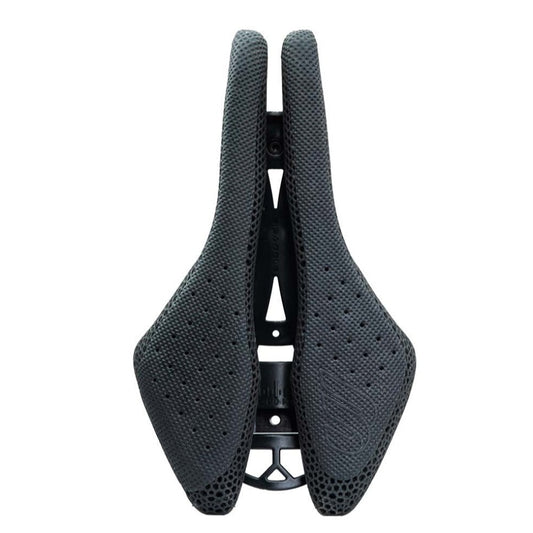
The saddle's shape and cover material matter too. A breathable, non-porous cover (or advanced materials like 3D-printed lattices) won't trap moisture against the chamois, aiding drying.
The Synergy:
Moisture management is a team effort. The shorts transport sweat away, and the saddle's cover allows ventilation. This combined defense is crucial on long, hot rides or indoor training sessions where sweat accumulates.
3. Targeted Pressure Relief and Padding
The saddle bears your weight, but the chamois is your shock absorber and pressure distributor. It's not about sitting on a cloud of padding—it's about strategic placement of multi-density foam or gel to protect soft tissue and dampen vibrations.
The Shorts' Role:
A women's-specific chamois is anatomically shaped—wider and shorter, with padding under the sit bones (ischial tuberosities) and relief channels in the perineal area. This keeps pressure off soft tissue and nerves, complementing the saddle's own cut-out or relief channel. The padding also dampens road buzz and minor impacts.
The Saddle's Role:
The saddle's job is firm, supportive contact for your sit bones. If it's too soft, your sit bones sink in and the padding pushes into soft tissue, increasing pressure. A proper saddle—especially one designed for women with a wider rear and appropriate cut-out—creates a stable platform. Ideally, the saddle can be adjusted to match your unique sit bone width.
The Synergy:
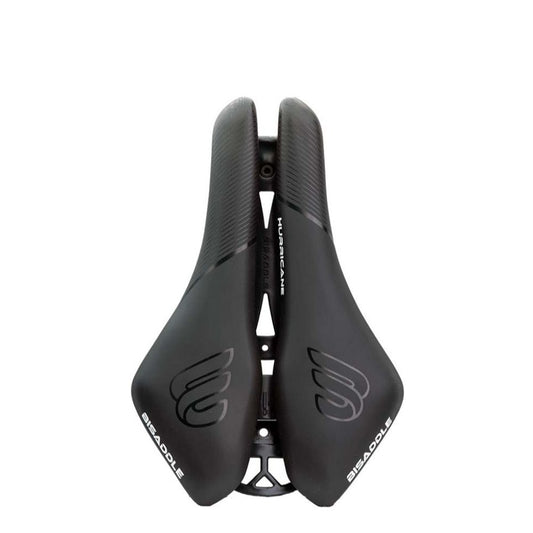
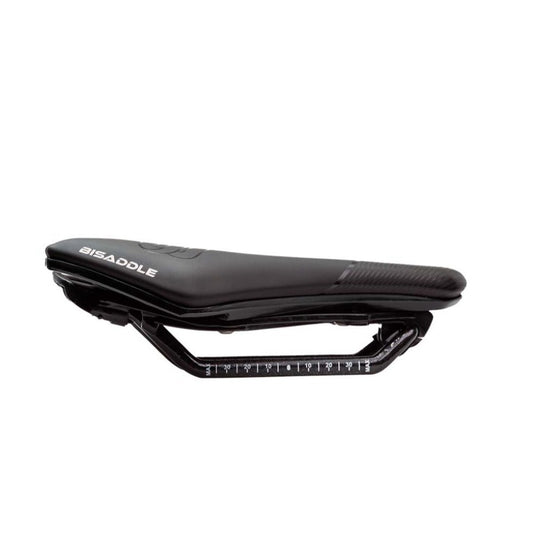
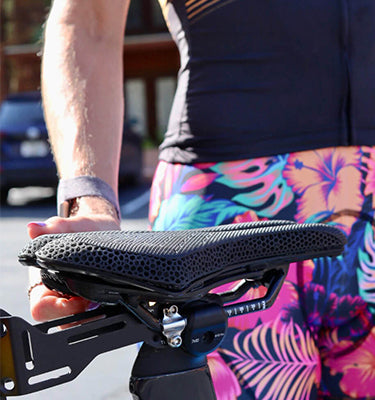
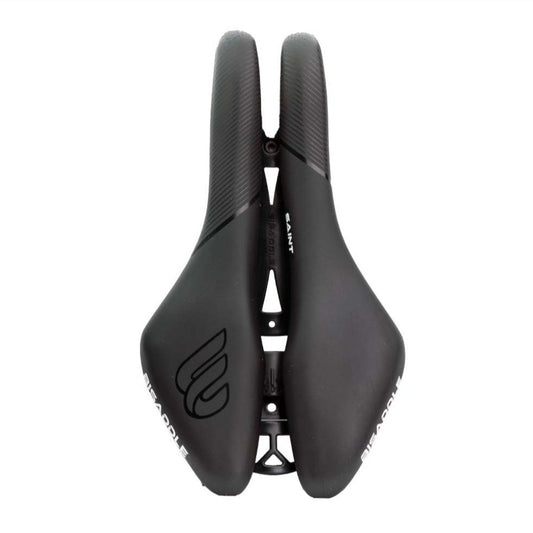
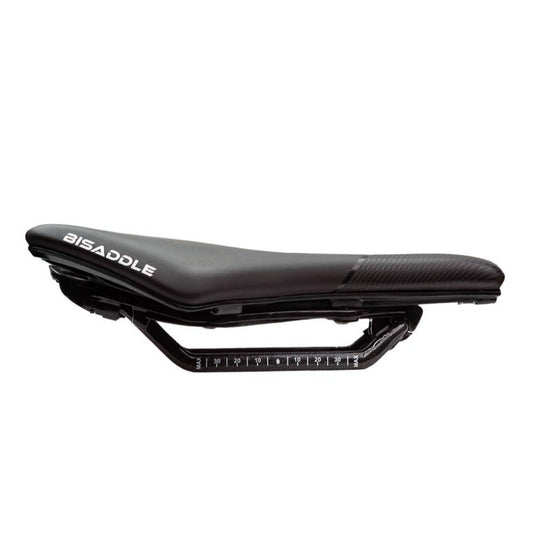
This is the core partnership. The saddle provides primary structural support for your bones. The chamois provides secondary cushioning and protection for soft tissue between and around those bones. They work in tandem: the saddle prevents you from sinking too deep, and the chamois fills gaps to prevent pressure points. A saddle with adjustable width, like a Bisaddle, fine-tunes this relationship, aligning support points exactly with the densest padding in your shorts.
4. Stability and Muscle Support
Comfort isn't just about what you sit on—it's about how you move. Poor lower-body stability leads to inefficient pedaling and unnecessary fatigue.
The Shorts' Role:
Modern cycling shorts use compressive, supportive fabrics. This light compression stabilizes muscles, reduces vibration, and improves proprioception—your sense of body position on the bike. That helps you maintain a consistent, efficient pedal stroke.
The Saddle's Role:
A correctly fitting saddle allows stable, balanced seating. You shouldn't slide forward, backward, or side-to-side to find comfort. This stability lets you engage your core and glutes effectively, transferring power to the pedals without wasting energy on bracing.
The Synergy:
With a stable saddle and supportive shorts, your lower body becomes a more efficient unit. You're secured in an optimal position, reducing "saddle search" mid-ride and letting you focus on generating power. For women, a stable pelvis is key to engaging the right muscle groups for endurance.
Practical Takeaways for the Female Cyclist
- Invest in Both: Don't compromise on your saddle or shorts. A perfect saddle won't save you from chafing from poor shorts, and the best shorts can't compensate for a saddle that doesn't support your anatomy.
- Prioritize Fit First: Your saddle must support your sit bones. Use tools or a professional bike fit to determine your sit bone width. An adjustable saddle is a powerful solution—it lets you dial in the exact width for your anatomy, ensuring support aligns with your shorts' padding.
- Match the Chamois to Your Discipline: Mountain biking chamois are thicker for shock absorption; road racing chamois are thinner and more aerodynamic. Choose shorts designed for your primary riding style.
- Quality Over Quantity: One or two pairs of high-quality, women-specific shorts from reputable manufacturers beat a drawer full of cheap alternatives. Look for flat-locked seams, anatomical chamois shaping, and high-end moisture-wicking fabrics.
- It's a System: Saddle sores and numbness are often systemic failures. Troubleshoot the whole system: bike fit (saddle height, fore/aft, tilt), saddle model and width, shorts quality and fit, and on-bike hygiene (like using chamois cream for very long rides).
Ultimately, your cycling shorts are the essential partner to your saddle. They transform a static, structural interface into a dynamic, comfortable, high-performance connection. Choose both wisely and understand how they work together—you'll ride longer, stronger, and with far greater comfort. Now get out there and enjoy the ride your gear deserves.