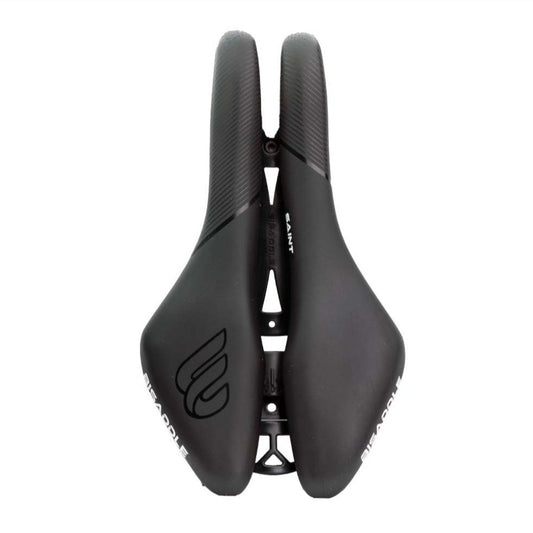
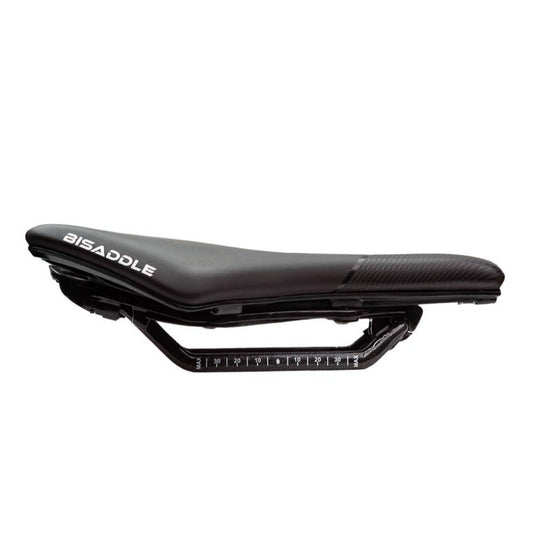
After decades dialing in bike fits and advising riders, I can say this flat-out: bike shorts aren't just an accessory; they're a critical part of your saddle interface system. For women cyclists—whose anatomy creates unique pressure points and challenges—the right shorts matter as much as the saddle itself. They work together to protect you, boost comfort, and let you ride longer and stronger.
Think of it this way: your saddle is the structural platform, but your shorts are the main defense against friction, moisture, and impact. Get this combo wrong, and you're on a fast track to discomfort, chafing, and saddle sores. Get it right, and you unlock miles of pain-free riding.
The Essential Roles of Bike Shorts
1. Friction and Chafe Elimination
This is the most basic job. Pedaling creates constant movement between your skin, clothing, and saddle. Seams from regular underwear or athletic wear can turn into sandpaper over miles.
The Solution: Quality bike shorts have a seamless chamois (the padded insert) or strategically placed, flat-locked seams that remove these friction points. The chamois acts as a lubricated buffer zone. For women, the chamois is shaped and positioned to protect the labia and pubic bone area, where pressure and rubbing hit hardest.
2. Targeted Moisture Management
Sweat creates a humid environment, softening skin and making it far more prone to irritation, chafing, and bacterial growth that can lead to saddle sores.
The Solution: High-performance shorts use moisture-wicking fabrics that pull sweat away from your skin to the outer surface, where it evaporates. Many premium chamois also include anti-microbial treatments to fight odor and bacteria. Staying dry is non-negotiable for long-term comfort.
3. Impact and Vibration Damping
The saddle's shape and materials absorb larger shocks, but the chamois in your shorts is the first line of defense against high-frequency road buzz and smaller, constant impacts—especially vital for gravel and mountain biking.
The Solution: The padding isn't just for softness; it's for damping. Modern chamois use multi-density foams or advanced materials to dissipate vibration and cushion exactly where your sit bones make contact. This prevents bruising and deep tissue soreness from prolonged riding on rough surfaces.
4. Providing a Consistent, Secure Interface
Your position on the saddle should be stable. Baggy clothing or shorts that shift and wrinkle create unpredictable pressure points and force your stabilizing muscles to work overtime.
The Solution: Properly fitting bib shorts or shorts with a supportive waistband stay firmly in place. The chamois stays correctly positioned relative to your anatomy and the saddle's pressure-relief zones. This consistent interface lets the saddle do its job of supporting your sit bones without the pad migrating.
How to Choose and Use Bike Shorts for Optimal Comfort
- Fit is Paramount: Shorts should be snug but not constrictive. Wrinkles or loose fabric will cause chafing. The chamois should lay flat against your skin. Bib shorts often provide a more secure, gap-free fit.
- Chamois Design Matters: Look for women-specific designs. These typically feature a wider, shorter pad that better matches female pelvic anatomy, with targeted padding around the sit bones and strategic relief in the central perineal area. Avoid excessively thick pads; they can bunch and create pressure.
- The No Underwear Rule: This is cycling gospel. Wear your bike shorts directly against your skin. Underwear adds seams, traps moisture, and defeats the entire engineered purpose of the chamois.
- Match the Short to the Ride: Consider the discipline. A lightweight, minimally padded short might be perfect for a short, aggressive road race. A gravel or endurance ride demands a more robust chamois for vibration damping.
- Hygiene is Non-Negotiable: Always wash your shorts after every ride. Bacteria from sweat can break down chamois materials and lead to skin infections. Let them air dry; high heat from dryers can degrade the elastic and technical fabrics.
The Synergy with Your Saddle
Remember, shorts are half the equation. They can't compensate for a poorly fitting saddle. If your saddle is too narrow, putting pressure on soft tissue instead of your sit bones, or has a shape that conflicts with your anatomy, even the best shorts will only delay discomfort.
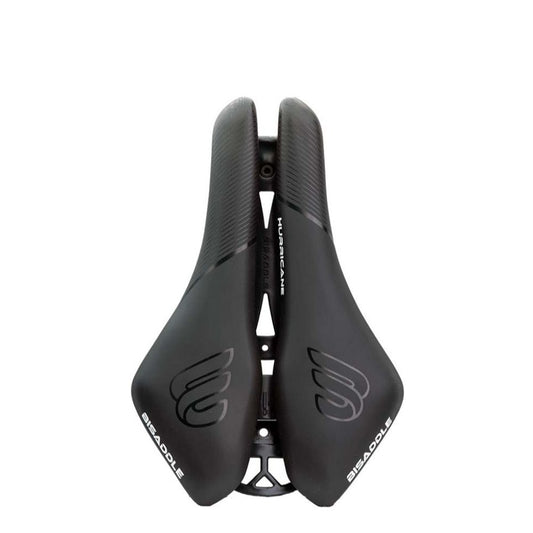
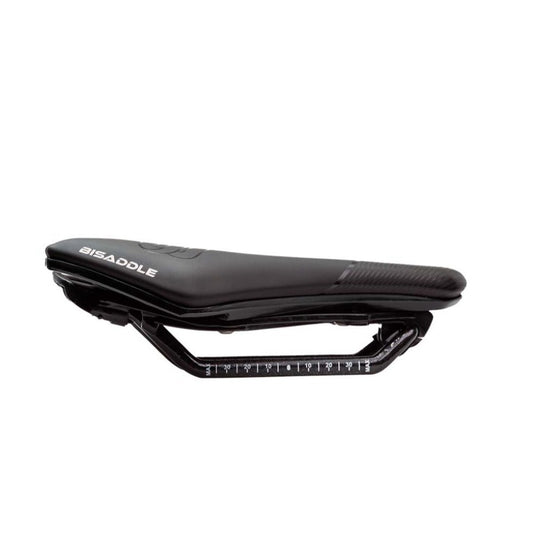
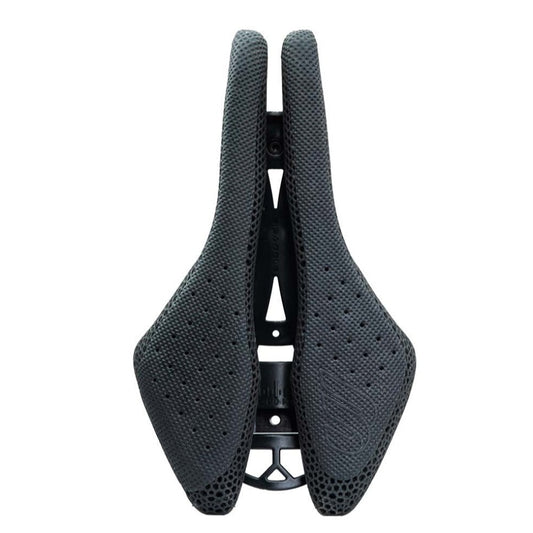
The ideal setup is a saddle that correctly supports your skeletal structure—like an adjustable model that can be tailored to your unique sit bone width—paired with high-quality shorts that manage the micro-environment. This combination directly addresses common pain points by ensuring load is carried on bone and soft tissue is protected from friction and pressure.
Final Takeaway
Investing in a few pairs of excellent women-specific bike shorts isn't a luxury; it's essential cycling infrastructure. They're a proactive measure for your comfort and health on the bike. Don't make the mistake of prioritizing a fancy component upgrade while skimping on the interface that literally touches you for every single mile. Start with a great saddle fit, equip yourself with the right shorts, and you'll remove a major barrier to enjoying your ride, no matter the distance.
Ride smart, ride comfortable, and let the miles—not the discomfort—add up.