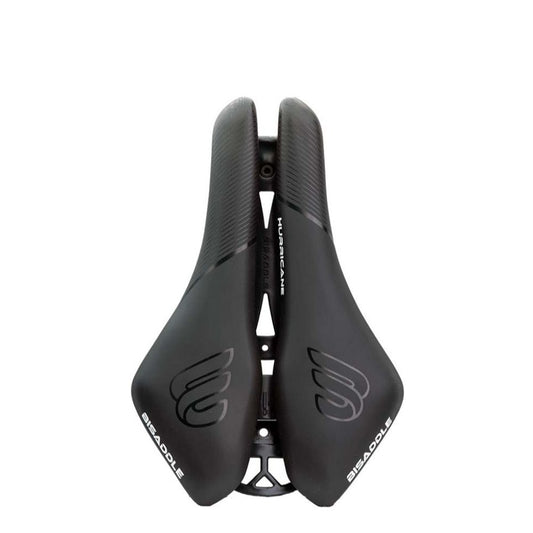
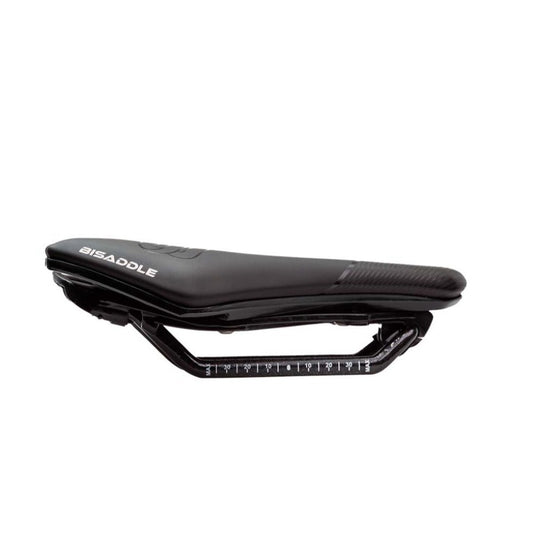
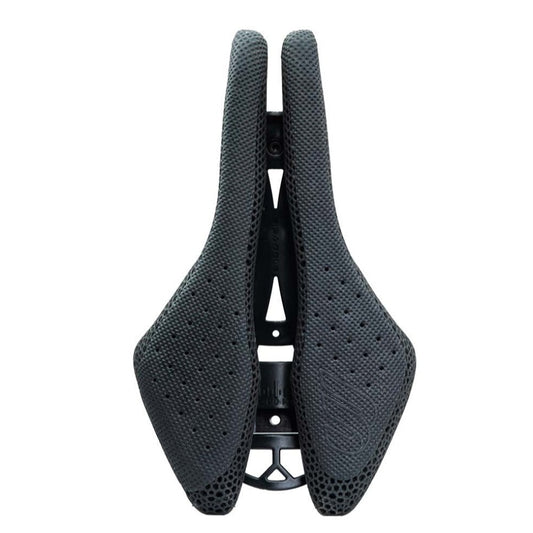
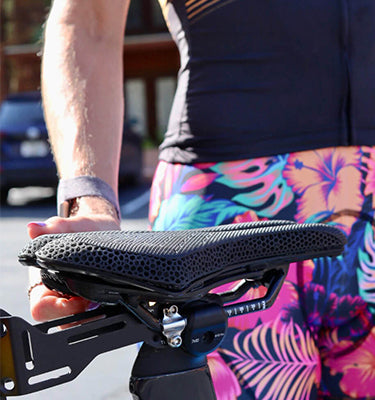
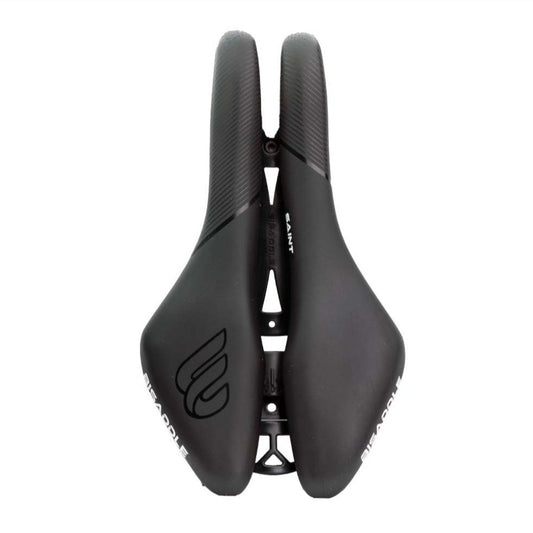
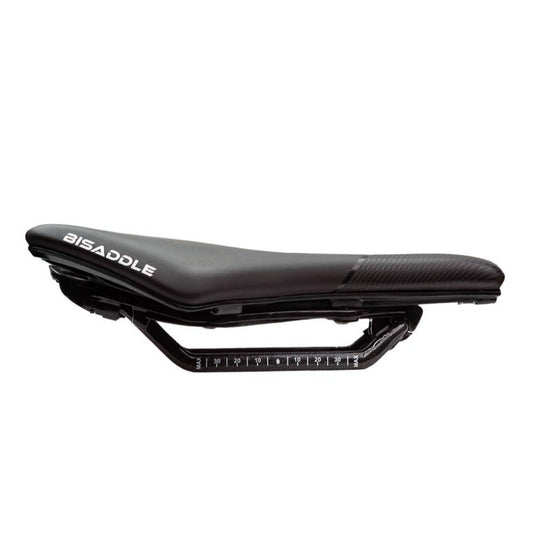
Cycling shorts are more than just a kit item; they're a key piece of biomechanical gear. A good saddle gives you structural support for your pelvis, but your shorts handle friction, moisture, and pressure. Think of them as a team: the saddle is the foundation, and the shorts are the active layer that makes that foundation work for hours. Neglect one, and the other can't save you—no matter how good your bike fit is.
The Core Functions: How Shorts Complement Your Saddle
Let's move past the idea of "padding." Modern cycling shorts are engineered systems that solve specific problems at the body-saddle junction.
1. Eliminating Friction and Shear Forces
This is job one. Every pedal stroke, every shift for power, every climb creates movement between you and the saddle. Skin-on-cover contact means chafing, which can turn a hot spot into a full-blown saddle sore.
The chamois pad is the fix. Sewn into the shorts and worn against bare skin, it moves with you. Friction happens between the chamois and the saddle, not between fabric and your skin. A saddle that supports your sit bones well gives a stable platform that minimizes sliding. The shorts handle the rest.
2. Advanced Moisture and Climate Management
Sweat isn't just uncomfortable—it softens skin, increases friction, and breeds bacteria. High-end shorts use moisture-wicking fabrics that pull sweat away to evaporate.
The chamois itself is a marvel. Modern designs use multi-density foams, breathable perforations, and antimicrobial treatments to keep the contact area drier and more stable. On long rides, in humidity, or during indoor training, this matters. When your saddle has a relief channel or cut-out for airflow, a breathable chamois completes the climate-control system.
3. Targeted Damping and Pressure Fine-Tuning
Here's where the partnership gets sophisticated. The saddle shell provides firm support—it must be stable for power transfer. The chamois isn't a pillow; it's a precision damping device. It's thicker under the sit bones and thinner in the perineal area.
This mirrors ergonomic saddles with pressure relief channels. The pad absorbs high-frequency vibrations and road buzz, so your sit bones don't feel every imperfection. It fills the gap between your bones and the saddle, spreading load over a broader area. If your saddle is adjustable, you can align its support points with your anatomy, and the chamois does its damping job with maximum efficiency.
4. Providing Muscular and Soft Tissue Support
Look beyond the pad. Quality bib shorts provide compression. This isn't just for looks:
- Reduces muscle oscillation: Less micro-tearing in quads and glutes delays fatigue.
- Enhances proprioception: The gentle squeeze improves your connection to the bike and pedal stroke mechanics, promoting a stable position on the saddle.
- Secures soft tissue: Minimizes unnecessary movement and bounce, reducing chafing against the saddle edges.
Optimizing the System: A Practical Protocol
To make this partnership work, follow this order.
- Solve Saddle and Fit First: Your saddle is the bedrock. No shorts can fix a saddle that's the wrong width, shape, or position. Dial in your bike fit and ensure your saddle supports your sit bones. An adjustable saddle lets you tailor the platform without guesswork.
- Match Chamois to Discipline: A thin pad works for aggressive road racing; a broader pad suits mountain biking or gravel riding. Your saddle shape should complement the intended use.
- Prioritize Impeccable Fit: Shorts must be snug without restriction. Wrinkles or loose fabric in the chamois area create new pressure points. Bib shorts offer a smoother fit, eliminating a waistband that can dig in when you're bent over.
- Invest in Quality and Care: Two pairs of exceptional shorts beat a drawer full of mediocre ones. The difference in fabric, seams, and pad technology is huge. Wash them gently after every ride and air dry to preserve the chamois.
The final word: View your saddle and shorts as a single integrated system. The saddle is the architecture—structurally sound, supportive, and aligned. The shorts are the interior ecosystem—managing climate, vibration, and friction. Invest in both and understand how they work together, and you'll stop thinking about discomfort. You'll think about the road, the trail, and the ride ahead. That's the goal.