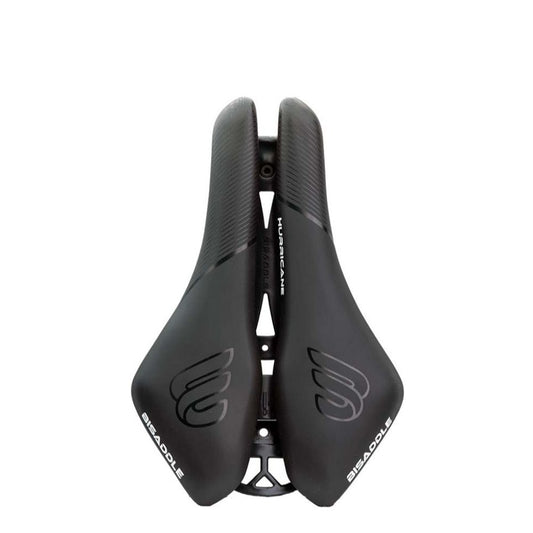
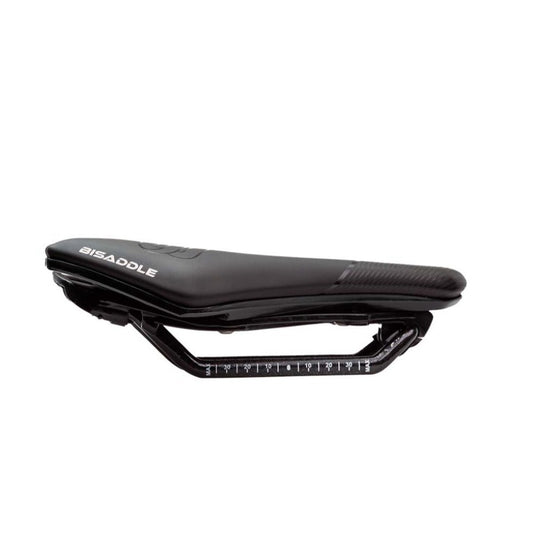
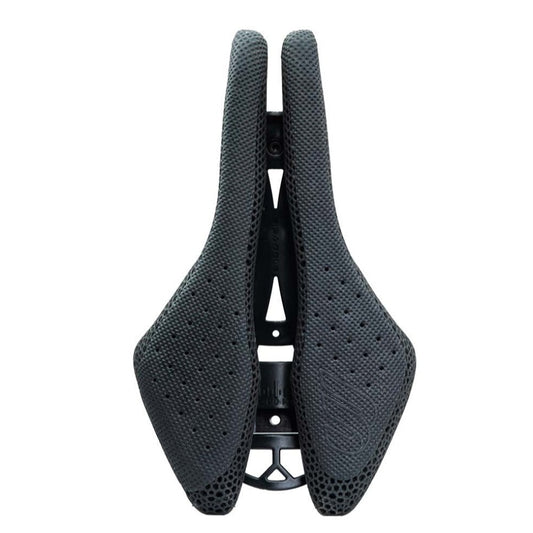
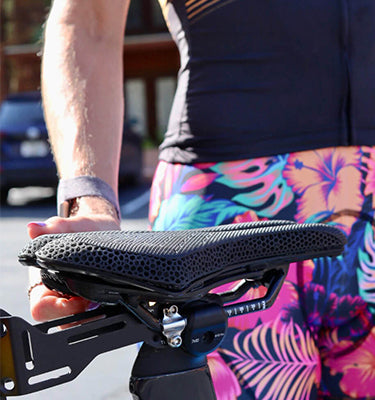
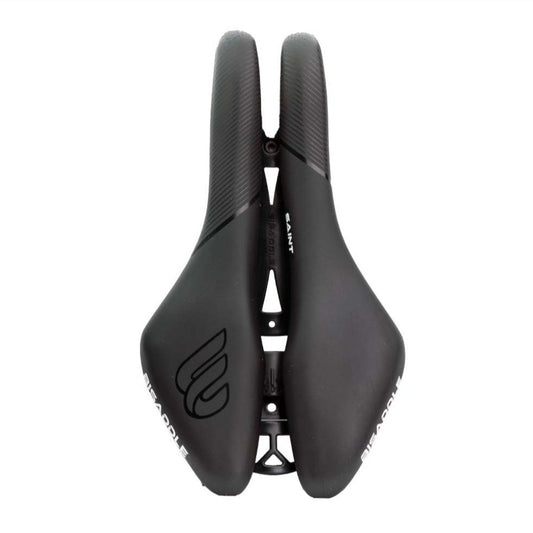
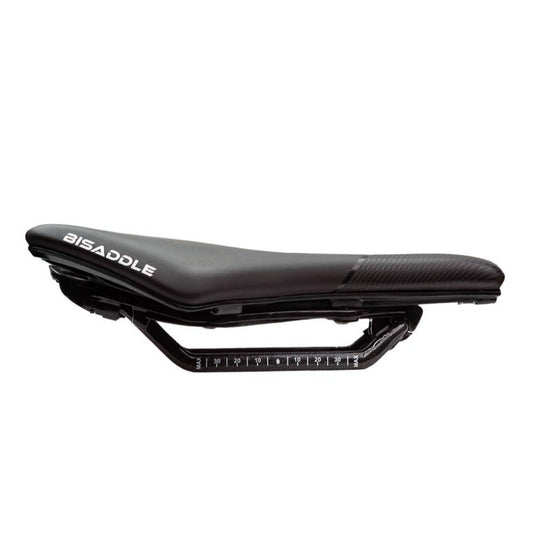
A men's health saddle—like one designed to eliminate perineal pressure—is the cornerstone of comfort on the bike. But it's not a magic bullet on its own. Think of it as the perfectly engineered foundation of a house. The complementary gear—your shorts, creams, and fit—is the essential interior work that makes the space truly livable. Get this synergy right, and you turn a promising setup into a flawless, mile-swallowing experience that protects your health and boosts performance.
The Core Companion: Your Padded Shorts & Chamois
This is your primary interface. With a health-optimized saddle doing its structural job, the chamois's role shifts. It's no longer trying to crudely cushion misplaced pressure. Instead, its mission becomes sophisticated: managing microclimate, eliminating friction, and providing a seamless buffer over your now-properly-supported sit bones.
What to Look For in a High-Performance Chamois:
- Anatomic, Dense Padding: Avoid bulk. Seek a pad with firm, multi-density foam that maps to your sit bones. Mushy padding collapses and creates hot spots. The goal is vibration damping and protection from shear, not sinking into a couch.
- Seamless Construction is Non-Negotiable: The enemy is a seam in the wrong place. Top-tier shorts use laser-cut edges and flat-lock stitching throughout the inner thigh and groin. Any raised seam will become a friction point over time.
- Moisture-Wicking & Antimicrobial Fabric: The fabric must pull sweat away from your skin rapidly. Many quality liners incorporate silver or other treatments to inhibit bacterial growth—a key frontline defense against saddle sores.
- The Fit Must Be Immaculate: Like a tire on a rim, it must be snug without pinch. Loose fabric wrinkles and rubs; tight fabric restricts blood flow and creates pressure bands. The chamois should sit perfectly flat and stationary against your skin.
Chamois Cream: Your Anti-Friction Agent
Don't view this as an optional luxury. For any ride over an hour or of high intensity, chamois cream is critical preventative maintenance. Its functions are multi-layered:
- Reduces Shear Forces: It lubricates the skin-to-chamois interface, dramatically cutting the friction that leads to chafing and painful hot spots.
- Soothes and Protects: Many creams include natural anti-inflammatories like aloe vera. They also create a protective barrier against salt crystals from sweat, which are abrasive.
Apply it directly to your skin—focus on the sit bone contact points, inner thighs, and crease where your leg meets your torso. With a proper saddle relieving central pressure, you may use less in the middle, but don't skip the surrounding zones.
The Supporting Cast: Base Layers & Hygiene
Comfort is a full-system approach. For cooler or variable conditions, a technical base layer is essential gear. It manages core moisture, keeping your torso dry. This, in turn, helps regulate overall body temperature and can reduce excessive sweating in the saddle area. Ensure it, too, has flat seams to avoid chafing from your jersey or pack straps.
Hygiene is the non-negotiable daily practice. Wash your shorts after every single ride. Bacteria and salt degrade the chamois materials and will attack your skin on the next outing. Use a mild, fragrance-free detergent and always air dry—heat destroys elasticity. Similarly, keep your saddle clean; grit is an abrasive. Shower promptly post-ride. This isn't just about smell; it's the single most effective habit for preventing skin infections.
The Invisible Gear: Precision Bike Fit
You can have the world's best components, but a poor fit renders them useless. This is the master tuning that synchronizes everything.
- Saddle Tilt: A health-focused saddle is almost always designed to be installed level. A nose-down tilt will cause you to slide forward, fighting pressure with your arms. A nose-up tilt can create unwanted contact. Use a quality spirit level.
- Saddle Height & Fore/Aft: Incorrect height alters your pelvic rotation, changing how your sit bones meet the saddle. Too high, and you rock, creating friction. Too low, and you increase load. The fore/aft position (setback) critically balances your weight between the saddle and bars. This isn't guesswork.
Investing in a professional bike fit is the smartest money you'll spend. It ensures your advanced saddle and premium shorts are working in perfect harmony with your unique biomechanics.
Building Your Unbreakable Comfort System
Here's your action plan:
- Start with the Foundation: Get your saddle position and fit dialed by a professional. This sets the stage for everything else.
- Invest in Quality Interface: Choose one exceptional pair of shorts over three average pairs. Perfect fit and seamless construction are your goals.
- Use Cream Proactively: Treat it like chain lube for your body—essential maintenance for smooth, efficient operation.
- Maintain Religiously: Clean gear and clean skin are not optional. They are the baseline of health on the bike.
When this system clicks, you stop thinking about your contact points altogether. Discomfort and worry fade away, leaving only the pure feedback of the bike and the road. You're free to push harder, ride longer, and trust that your setup is protecting you, ride after ride. That's the true complement to a men's health saddle: the confidence to just ride.