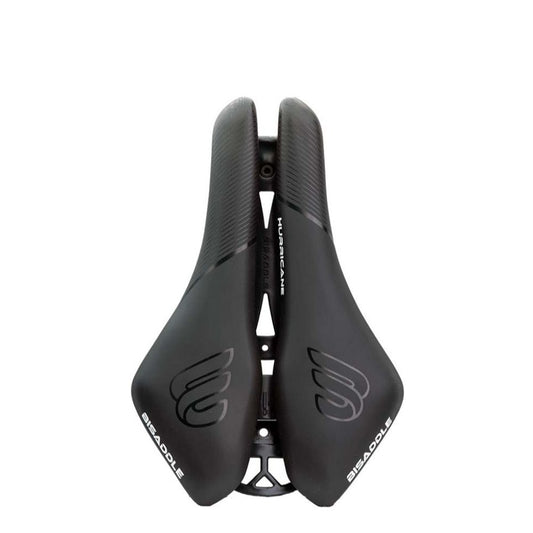
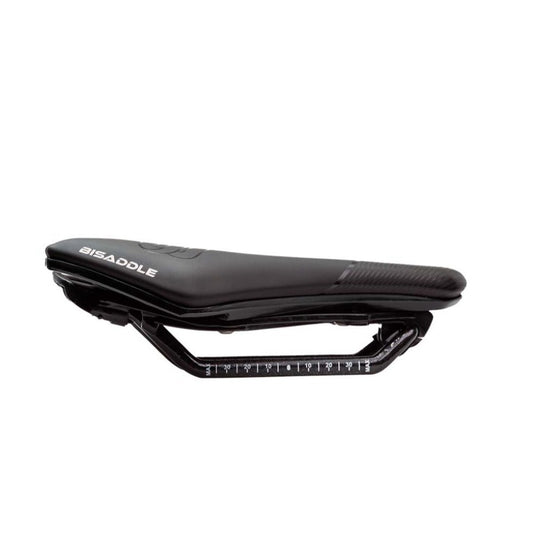
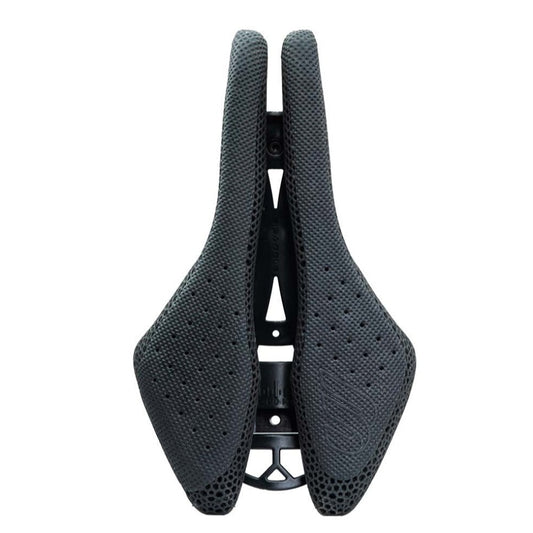
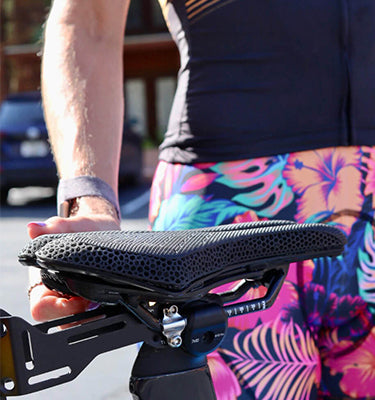
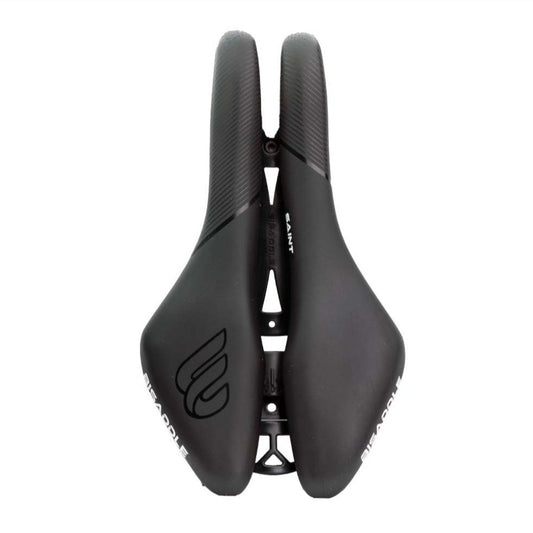
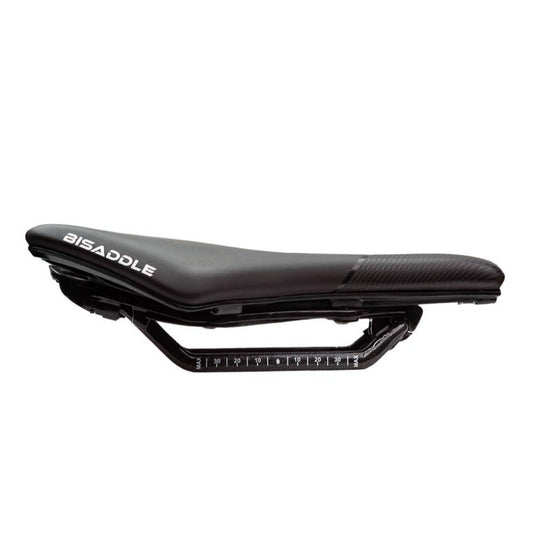
Smart question. You already know the saddle is only one piece of the comfort puzzle. Even with the best saddle—like an adjustable one that supports your sit bones and relieves perineal pressure—your clothing can either amplify or undermine those benefits. Let's get into what actually matters.
Padded Shorts: Quality Over Quantity
Your first line of defense: a good pair of cycling shorts with a quality chamois pad. But most riders get this wrong: more padding is not better. A thick, soft chamois can cause more problems than it solves. When you sit on heavily padded shorts, the foam compresses and pushes upward into your perineum—exactly where you don't want pressure. That defeats the purpose of a saddle designed to keep weight on your sit bones.
Look for shorts with a chamois that's dense and supportive, not marshmallow-soft. The best designs use multi-density foam: firmer under the sit bones, thinner in the center channel. This works with your saddle, not against it. Also check the chamois shape—it should have a relief channel or cut-out that aligns with your saddle's pressure-relief zone.
Wear your shorts without underwear. This isn't about style; it's about friction. Underwear seams create hot spots and chafe points that lead directly to saddle sores. Cycling shorts are designed to be worn next to skin, with the chamois as your only barrier.
The Right Fit: Compression Without Restriction
Your shorts should fit snugly but not tight enough to restrict blood flow. Look for leg grippers that hold the shorts in place without digging into your thighs. If you see red marks or feel numbness after a ride, the grippers are too tight. That's a circulation issue you can fix by choosing a different size or style.
Bib shorts are worth the investment. They eliminate waistband pressure that can dig into your abdomen and restrict breathing or digestion on long rides. The suspenders keep the shorts in place without any cinching—better comfort, less shifting around on the saddle.
Moisture Management: The Hidden Enemy
Saddle sores thrive in a warm, moist environment. Your clothing choices directly affect how much sweat accumulates against your skin. Choose shorts made from moisture-wicking fabrics that dry quickly. Avoid cotton—it holds sweat and creates the perfect breeding ground for bacterial infections.
After your ride, change out of your cycling shorts as soon as possible. Even the best moisture-wicking fabric can't keep you dry indefinitely. A quick rinse and a fresh pair of loose shorts or underwear will do more to prevent saddle sores than any cream or powder.
Layering for Temperature Control
Overheat and you sweat more. That moisture softens your skin and increases friction against the saddle. Get cold and you tense up, which can alter your riding position and put more pressure on sensitive areas.
For cooler rides, use a quality base layer under your jersey. Merino wool is excellent—it regulates temperature and resists odor. For hot rides, choose lightweight, breathable jerseys with mesh panels. The goal: stay dry and comfortable so your saddle and shorts can do their job without interference.
What About Chamois Cream?
Not clothing, but it works with your clothing. A good chamois cream reduces friction between your skin and the chamois pad. Apply it generously to the chamois, not directly to your skin. This prevents the cream from clogging pores and causing folliculitis, a common source of saddle sores.
Look for creams that are water-based and free of petroleum. Petroleum-based products can break down the fabric of your chamois over time and trap heat against your skin. Water-based creams absorb better and wash out more easily.
The Bottom Line
Your clothing choices are a direct extension of your saddle setup. A well-fitted saddle relieves pressure on soft tissue and supports your sit bones. Your shorts should complement that by providing a stable, low-friction interface between you and the saddle. Moisture management, proper fit, and the right chamois density all work together to protect your health.
Here's the practical takeaway: invest in one or two pairs of high-quality bib shorts with a dense, multi-density chamois. Wear them without underwear. Change out of them promptly after riding. And if you're still experiencing discomfort, look at your chamois cream and your layering strategy. These details matter as much as your saddle choice.
Ride smarter—your body will thank you.