Let's get straight to the point: for any female rider logging serious miles, a quality pair of padded cycling shorts isn't just a nice-to-have—it's essential engineering for your body. I've spent years in the workshop and on the road dialing in fits, and I see the chamois not as simple cushioning but as a critical component in a complex comfort system. It works with your saddle and bike fit to manage pressure, moisture, and friction. Get this synergy wrong, and you're in for a world of discomfort. Get it right, and you can ride longer, stronger, and focus entirely on the ride itself.
The Real Job of the Chamois: It's Not a Pillow
The biggest misconception is that the pad is just there to soften the blow. Think of it more as a high-performance interface. Its primary functions are far more sophisticated:
- Pressure Distribution: A well-designed pad spreads the intense, localized pressure from your sit bones (ischial tuberosities) over a broader area, preventing bruising and hot spots.
- Friction Elimination: This is arguably its most vital role. The pad, combined with the tight-fitting short, minimizes skin-on-fabric movement. Quality shorts use seamless construction and flat-lock stitching to prevent the chafing that leads to saddle sores.
- Moisture Management: Technical fabrics wick sweat away from your skin, keeping you drier and reducing the risk of bacterial growth and skin irritation.
For female riders, a women's-specific chamois is non-negotiable. It's shaped to accommodate a typically wider pelvis, with targeted padding and relief zones that protect sensitive soft tissue and promote better blood flow.
The Crucial Synergy: Shorts and Saddle as One System
Here's the core principle: Padded shorts cannot fix a poorly chosen saddle. They are complementary pieces, not a cure-all.
Your saddle is the foundation. Its width must support your sit bones properly. If your saddle is too narrow, your weight is borne by soft tissue, and no chamois, no matter how thick, will prevent eventual numbness or pain. The pad is meant to work with a saddle that already fits your skeletal structure.
In fact, the wrong pad can create problems. An excessively thick, uniform pad can allow your sit bones to sink in, potentially causing the saddle's nose to tilt upward and create perineal pressure. For performance riding, a multi-density, anatomically shaped pad that provides targeted protection without bulk is ideal. It offers support without compromising your stable, connected feel on the bike.
What to Look For in Your Next Pair
Don't just grab any pair off the rack. Look for these engineering features:
- True Women's-Specific Anatomical Design: The pad should have a wider rear for sit bone support and a well-defined central relief channel or cutaway.
- Seamless Construction: The edges of the chamois should be laser-cut or bonded. You should feel no ridges or seams that could become hot spots after hour three.
- Effective Moisture-Wicking: The entire short should be made of technical fabric that pulls sweat away. Some premium pads include antimicrobial treatments.
- Perfect, Snug Fit: The chamois must lie perfectly flat against your skin—no wrinkles. Leg grippers should hold without cutting off circulation.
Your Action Plan for Total Comfort
Knowledge is useless without application. Here's your step-by-step protocol:
- Invest in Quality, Not Quantity: One exceptional pair of bib shorts is worth more than three mediocre ones. The fabric, pad technology, and construction are where the magic happens.
- Never Wear Underwear: This is a cardinal rule. Underwear creates seams, traps moisture, and generates friction, completely defeating the engineered purpose of the shorts.
- Use Chamois Cream: Apply a quality, pH-balanced cream to the pad and your skin (focus on seam lines). This provides crucial lubrication, reduces friction further, and has anti-inflammatory benefits.
- Match the Pad to the Discipline: A bib for a 100-mile gravel race might have a slightly more robust pad than one for a fast 40-mile road ride. Consider your typical ride duration and position.
- Troubleshoot the System: If discomfort persists, diagnose the entire system: Bike Fit > Saddle > Shorts. A professional fit ensures your saddle position is correct. Your saddle must be the right width and shape. Your shorts are the final, critical layer. One cannot compensate for failures in the others.
The Final Word
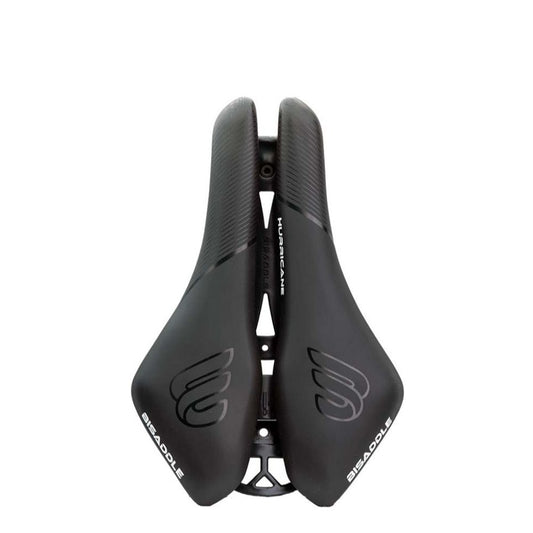
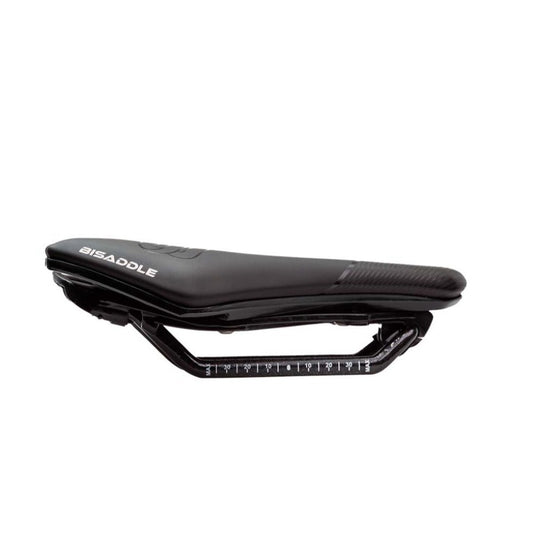
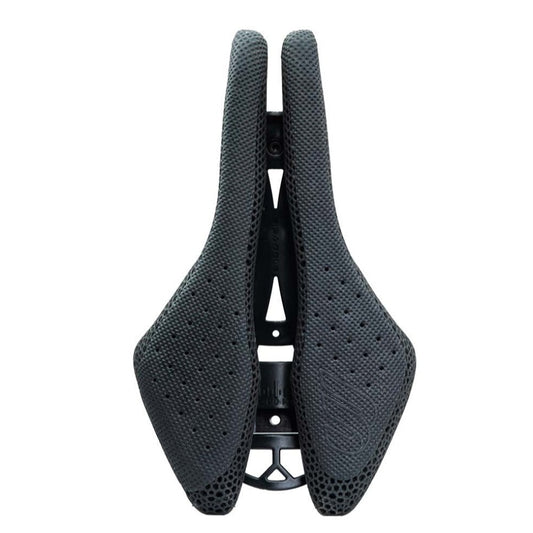
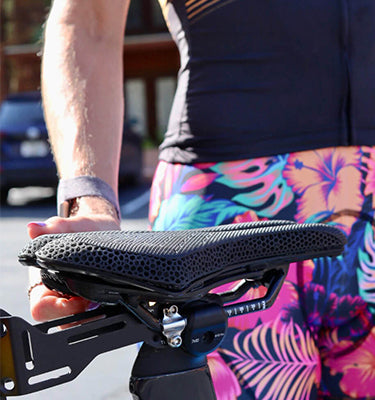
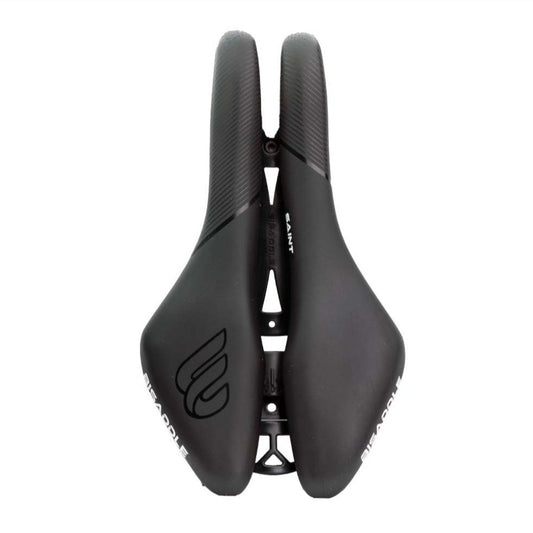
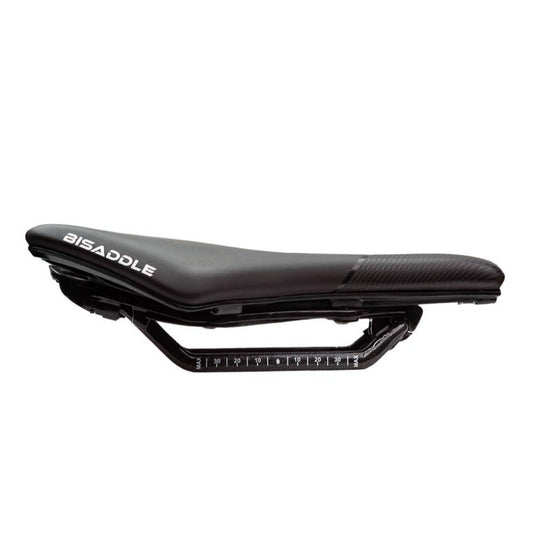
For the serious female cyclist, premium padded shorts are as crucial as a reliable drivetrain. They are a masterpiece of biomechanical engineering designed to manage the unique demands placed on your body. Remember, they are part of a triumvirate. Start with a professional bike fit, choose a saddle that supports your anatomy (like an adjustable model that can be fine-tuned to your exact sit bone width), and then top it off with a meticulously chosen pair of shorts.
When this system clicks, discomfort fades into the background. You're left with nothing but the pure sensation of the ride—the rhythm of your breath, the sound of the tires on the road, and the freedom of the miles ahead. Now get out there and ride smarter.