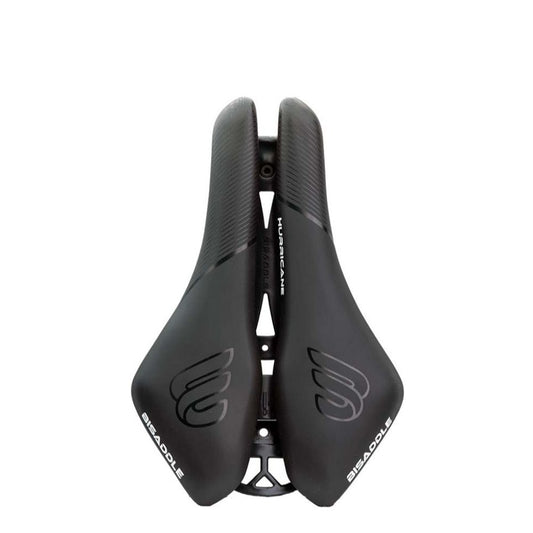
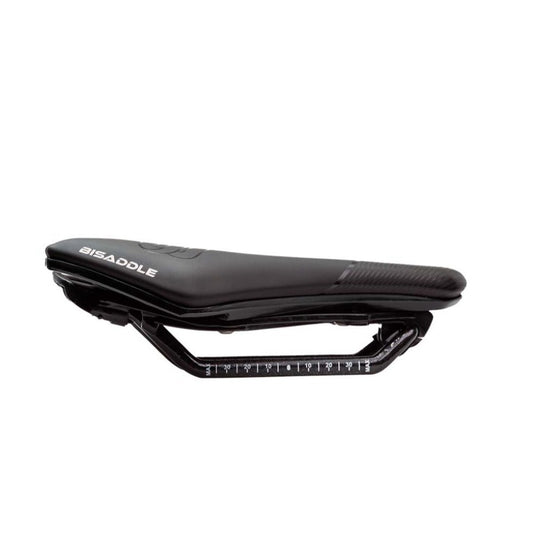
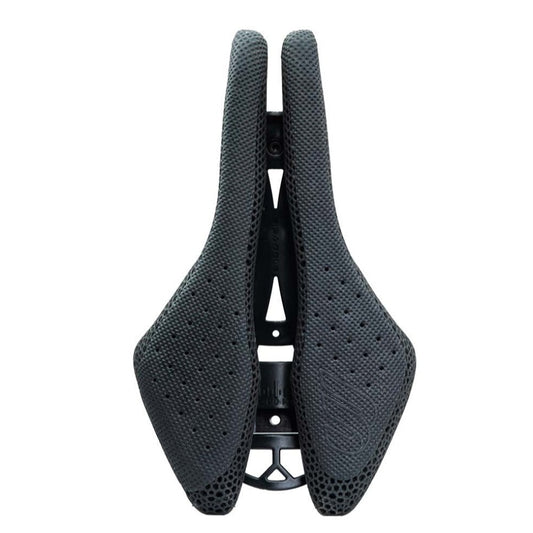
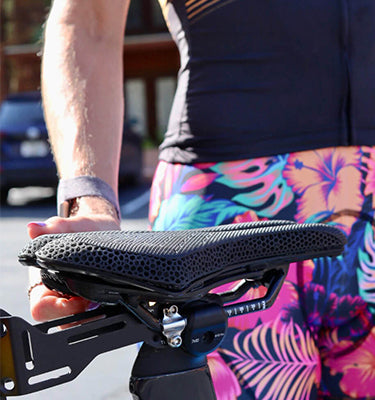
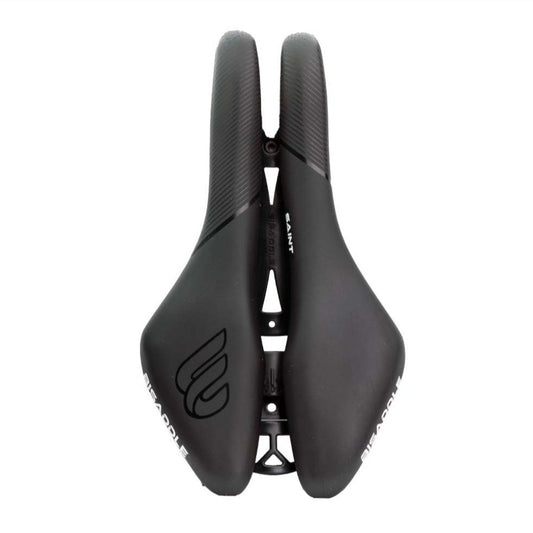
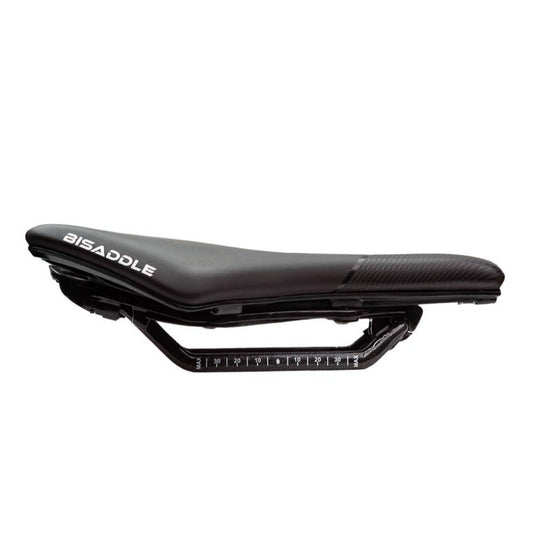
A women's health-focused saddle is engineered to be a solution—it supports your sit bones, relieves pressure on sensitive soft tissues, and promotes healthy circulation. But even the most advanced saddle design can be compromised by the wrong pair of shorts. Think of them as a single, integrated system: the saddle provides the structural platform, and the shorts manage the interface between your body and that platform. Getting this combination right transforms a good ride into a great, pain-free one.
The Chamois: Your Primary Interface
The pad, or chamois, is the critical component. Its job isn't to be a pillow, but to create a stable, friction-minimizing layer. With a saddle designed for women's health—often featuring a shorter nose and a significant central relief channel—the chamois requirements become very specific.
- Flat and Unobtrusive: Seek out a chamois that's relatively smooth and flat. Avoid pads with bulky, raised seams or excessive, sculpted padding in the central perineal area. You want the saddle's carefully designed relief zone to remain open and effective, not filled with compressible foam that can create new pressure points.
- Strategic Cushioning: The best pads use multi-density foam or modern synthetic materials that are firmer and more supportive under your sit bones, and thinner or more flexible in the middle. This lets the saddle carry your weight on its intended structure while the chamois simply protects the skin.
- Full and Secure Coverage: The chamois must be the correct size and shape to cover your entire contact area without shifting during your pedal stroke. If it moves, it creates friction. Bib shorts are often superior here, as they eliminate a waistband that can roll or dig in, keeping the pad perfectly positioned.
Fabric and Construction: The Second Skin
The short's main body must act as a foundational, stable layer. Its construction is just as important as the pad it holds.
- Compressive, Multi-Panel Design: High-quality shorts use multiple fabric panels sewn together to follow your body's contours. The material should offer supportive compression—this holds muscles in place and, crucially, minimizes fabric-and-skin movement that leads to chafing.
- The Seamless Imperative: This is non-negotiable. All seams, especially along the legs and crotch, must be flatlock stitched or, ideally, bonded (seamless). Raised seams are the arch-enemy of comfort, acting like tiny saws against your skin over thousands of pedal revolutions.
- Effective Moisture Management: Technical fabrics should wick sweat away from your skin rapidly. A dry interface is a safe interface, drastically reducing the risk of bacterial growth and saddle sores. Remember: never wear underwear with cycling shorts. It introduces seams and traps moisture, defeating the entire technical purpose of the garment.
The Perfect Synergy: Shorts and Saddle as One Unit
When this system clicks, you stop thinking about it. The saddle and shorts work in concert to solve the fundamental challenges of riding.
The saddle provides a solid, anatomical foundation, carrying your weight correctly. The shorts ensure that the skin over those contact points and your inner thighs experiences minimal shear force against the saddle cover. The result is a near-frictionless environment where power transfer is efficient and comfort is sustained for hours.
This synergy is also key for long-term health. By eliminating pressure and friction, you maintain proper blood flow and avoid nerve compression. Numbness shouldn't be a regular part of your ride. If it occurs, it's a vital signal to re-check your bike fit, saddle adjustment, or chamois compatibility.
Your Action Plan for a Perfect Match
Finding this ideal partnership requires a bit of deliberate effort. Follow this checklist:
- Prioritize Fit Over Features: Try shorts on and mimic a riding position—lean forward at the hips. The chamois should feel present but not intrusive. There should be no pulling, gaping, or pinching. The leg grippers should hold without cutting off circulation.
- Invest in Quality: It's far better to own one or two pairs of exceptional, perfectly fitting shorts than a drawer full of mediocre ones. This is a critical piece of functional equipment, not just apparel.
- Practice Impeccable Hygiene: Wash your shorts with a gentle, technical-fabric detergent after every ride and air-dry them. Fabric softeners will clog the moisture-wicking fibers and degrade the chamois.
- Use Adjustability to Your Advantage: If you use an adjustable saddle like a Bisaddle, you have a unique tool. Fine-tune the saddle's width and profile while wearing your chosen shorts. This lets you dial in the perfect contact points, ensuring the saddle's structure aligns flawlessly with the chamois's support zones.
The ultimate goal is for your cycling shorts to disappear when you ride. When paired correctly with a women's health-focused saddle, they become an invisible layer of protection, allowing you to focus entirely on the rhythm of the pedal stroke, the road ahead, and the pure joy of moving forward—free from distraction and discomfort.