After decades of dialing in bike fits and advising riders, I can say this without hesitation: the right cycling attire isn't just about aerodynamics or looking the part—it's a fundamental part of how you connect with the bike. For women, whose anatomy creates unique pressure points and challenges, this is especially critical. A quality saddle is the foundation, but padded shorts and specific attire are the finishing layer that turns a good setup into a comfortable, sustainable one.
Let's break down exactly how and why this works.
The Primary Role: Pressure Distribution and Impact Damping
The core function of the pad (or chamois) in cycling shorts is to act as a supplemental damping layer between your sit bones (ischial tuberosities) and the saddle shell.
- Anatomical Interface: A well-designed women's-specific chamois is shaped to accommodate wider sit bone spacing and provide targeted support and relief around the soft tissue. It fills the gap between your bones and the saddle, preventing you from "bottoming out" on the firm platform you need for efficient pedaling.
- Vibration Absorption: On rough roads or gravel, micro-vibrations are a major source of fatigue and discomfort. The foam or gel in a chamois absorbs these high-frequency shocks before they reach your sensitive tissues, reducing the risk of numbness and soreness over long miles.
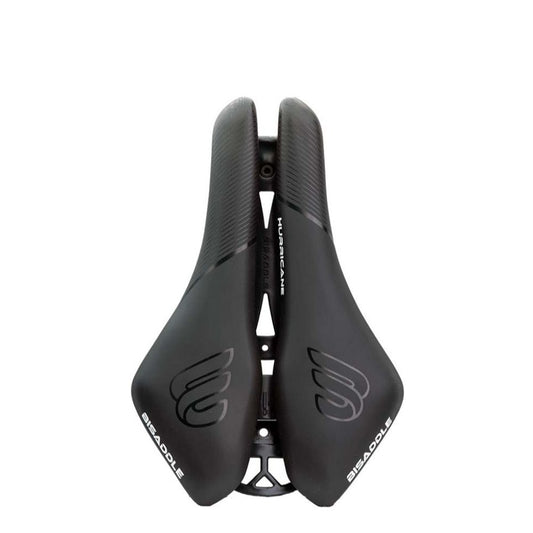
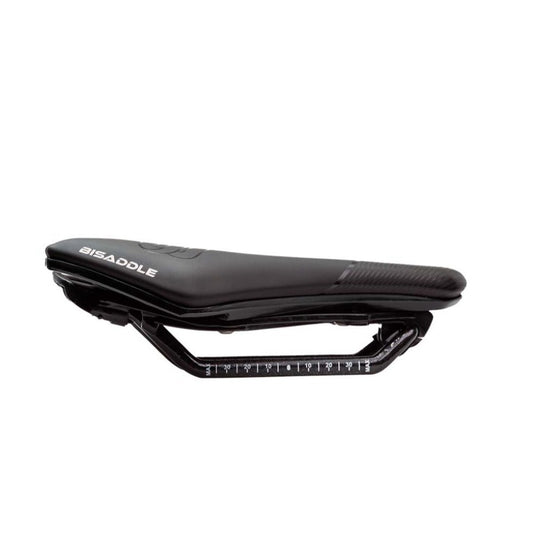
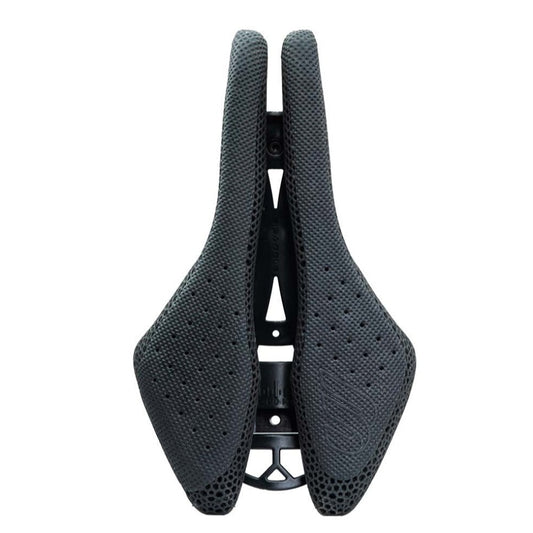
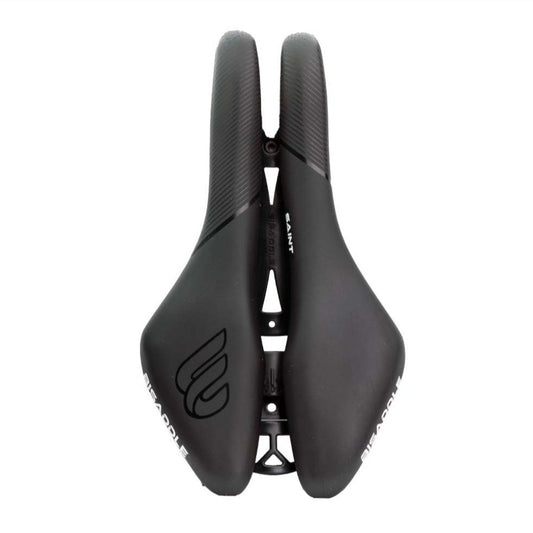
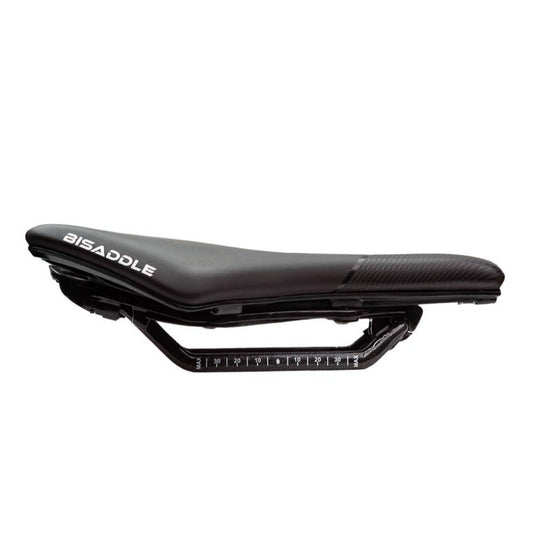
- Synergy with Saddle Design: This is key. The best results come from pairing a proper saddle—one that supports your sit bones and relieves perineal pressure, like an adjustable model that can be tuned to your exact anatomy—with a high-quality chamois. The saddle provides the structural support; the chamois provides the cushioning. One cannot fully compensate for a poor fit from the other.
The Critical Secondary Role: Friction and Moisture Management
Discomfort often stems less from pure pressure and more from friction and moisture, which can lead to chafing and saddle sores.
- Seamless Construction: Quality cycling shorts are constructed with flat-lock or bonded seams placed away from high-contact areas. This eliminates points of rubbing that can create hot spots and blisters over hours in the saddle.
- Moisture-Wicking Fabrics: Technical fabrics pull sweat away from your skin to the outer surface where it can evaporate. Keeping the skin dry is paramount. A damp environment softens the skin, making it far more susceptible to abrasion and bacterial growth, which is the primary cause of saddle sores.
- The Chamois Itself: Modern chamois are treated with anti-bacterial compounds to inhibit odor and bacterial growth. They are also designed to be non-absorbent; they wick moisture through the pad rather than holding it against your skin.
Fit and Support: Beyond the Pad
The garment itself plays a huge role.
- Muscle Support and Stability: A proper fit—snug but not constrictive—provides light compression. This can reduce muscle vibration and fatigue, allowing you to maintain a stable, efficient pedaling position for longer. An unstable core or rocking pelvis dramatically increases saddle friction.
- Secure Positioning: Good shorts hold the chamois firmly in the correct position. There should be no bunching, shifting, or wrinkles in the material, as these instantly become sources of intense pressure and chafing. This is why a proper fit is non-negotiable.
Practical Takeaways for Maximum Comfort
- Prioritize Fit Over Brand: The best short is the one that fits your body perfectly. Try on multiple styles. The chamois should sit flush against your anatomy without gaps or pressure points. Leg grippers should be secure but not dig in, and the waistband should be comfortable when you’re in the riding position.
- Skip the Underwear: This is a cardinal rule. Cycling shorts are designed to be worn directly against the skin. Wearing underwear underneath creates seams and fabric that will wrinkle and rub, completely negating the anti-chafing design of the shorts and trapping moisture.
- Match the Pad to the Ride: Consider chamois thickness and density. A thick, plush pad might be great for a leisurely all-day gravel ride but can feel bulky during an aggressive road race where you’re moving around on the saddle more. Many brands offer different "endurance" vs. "race" models.
- Practice Saddle Hygiene: Your shorts are only as good as their cleanliness. Wash them after every ride with a gentle, fragrance-free detergent to remove sweat salts and bacteria that can break down fabrics and irritate skin. Let them air dry.
- Use Chamois Cream Strategically: For rides over about two hours, or in particularly hot/humid conditions, a quality chamois cream applied to the skin can provide an additional anti-friction layer and soothing sensation. It’s an extra tool, not a substitute for a good saddle and well-fitting shorts.
The Holistic View: Attire is Part of the System
Think of comfort as a three-legged stool:
- A Properly Fitted Bike: Correct saddle height, fore/aft, and handlebar reach.
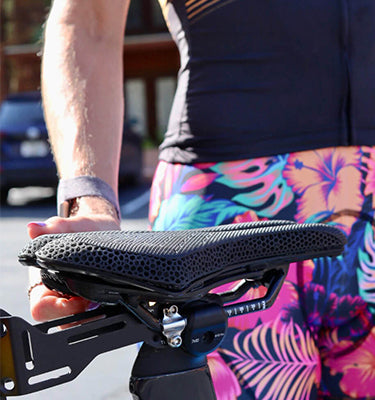
- A Correctly Specified Saddle: One that matches your sit bone width, riding discipline, and provides necessary pressure relief. An adjustable saddle like those from Bisaddle can be a game-changer here, allowing you to fine-tune the width and profile to work in perfect harmony with your chosen shorts.
- High-Quality, Well-Fitted Cycling Attire: The final interface that manages pressure, friction, and moisture.
Neglecting any one of these elements will compromise your comfort. For women riders, investing in attire designed for your specific anatomy is not a luxury—it’s essential engineering for the human body on a bicycle. It enables you to ride longer, stronger, and with more joy, turning saddle comfort from a constant concern into a solved problem. Now get out there and put those miles in.