Yes, there are aftermarket accessories that can help with saddle comfort—but they're a short-term fix, not a cure. I've worked with countless riders, and here's the honest truth: accessories are a supplement, not a solution. Real comfort starts with a properly fitted, high-quality saddle that supports your unique anatomy. Slapping a pad on a poorly shaped saddle is like putting a bandage on a broken leg—it masks the symptom without fixing the root cause.
Let's break down the options, their pros and cons, and how to use them wisely as part of a bigger comfort strategy.
The Short Answer on Gel Pads & Covers
Gel seat covers and padded shorts inserts are the most common aftermarket comfort accessories. They add a layer of cushioning between you and the saddle.
- Gel Seat Covers: These slip over your existing saddle. They can provide immediate, noticeable cushioning, especially for casual or short-distance rides.
- Padded Shorts (Chamois): This is the essential accessory for any serious riding. The chamois wicks moisture, reduces friction, and provides cushioning. Wear it directly against your skin.
The Expert Verdict
While a gel cover might offer temporary relief, I generally advise against them for regular, performance-oriented cycling. They can create their own problems:
- They Change Saddle Fit: A cover widens and often flattens the saddle's carefully designed profile, which can lead to chafing on your inner thighs.
- They Can Increase Pressure: Counterintuitively, excessive soft padding can let your sit bones sink in, causing the saddle shell to push up into your soft tissue and increase perineal pressure—the opposite of what you want.
- They Lack Stability: Gel covers can shift and bunch, creating hot spots and reducing pedaling efficiency.
Padded shorts, on the other hand, are non-negotiable. They're a dynamic part of your contact point with the bike. Invest in a quality pair with a seamless, multi-density chamois suited to your riding style.
A Better Approach: Solve the Problem at the Source
Instead of hunting for an accessory to fix discomfort, use that discomfort as a diagnostic tool. Pain, numbness, or chafing means something is wrong with your setup. Here's your action plan:
-
Get Your Saddle Fit Assessed.
This is the single most important step. Most saddle discomfort comes from improper saddle width. Your saddle must support your ischial tuberosities (sit bones). Too narrow, and you'll slide onto soft tissue. Too wide, and it'll chafe your thighs.
Action: Visit a reputable bike shop for a sit bone measurement. This simple test gives you the critical measurement you need to select a saddle with the correct rear platform width.
-
Prioritize Saddle Shape and Pressure Relief.
Modern saddles are engineered to protect soft tissue. Look for these key features:
- A Generous, Well-Designed Cut-Out or Relief Channel: This is paramount for preventing numbness and reducing pressure on sensitive anatomy.
- A Shorter Nose: Many contemporary saddles have a shorter nose, which prevents pressure when you're in a more aggressive riding position.
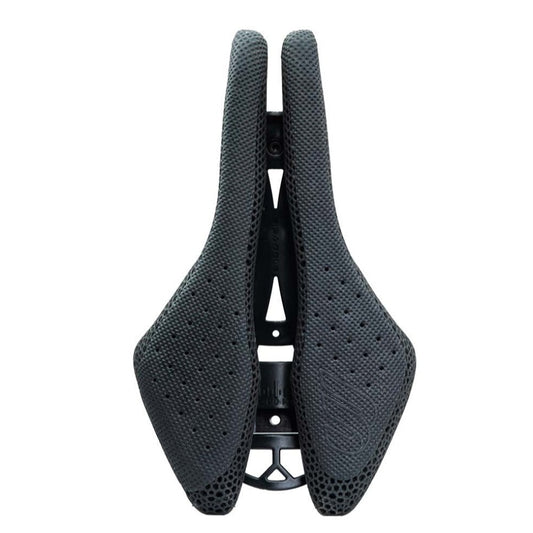
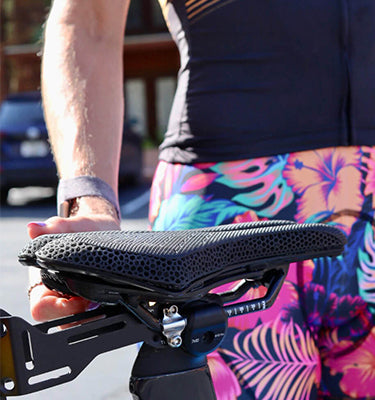
- Appropriate Padding Density: The padding should be firm enough to support your sit bones without bottoming out, yet compliant enough to dampen vibrations. The latest innovation is 3D-printed lattice padding, which offers zoned support and excellent pressure mapping.
-
Dial in Your Bike Fit.
A saddle accessory won't fix a poor bike fit. Minor adjustments to saddle height, fore/aft position, and tilt (angle) can have a dramatic impact. A saddle tilted too far nose-up increases perineal pressure; one tilted too far down causes you to slide forward, straining your hands and core.
When Accessories Actually Make Sense
There are specific scenarios where targeted accessories are valuable:
- For Ultra-Endurance or Bikepacking: On rides exceeding 8–12 hours, even a perfect saddle can lead to fatigue. A high-quality, thin gel pad or a saddle with advanced damping materials can help manage cumulative vibration over extreme distances.
- To Address a Specific, Minor Issue: If you have a saddle that fits 95% perfectly but has a slight pressure point, a strategically placed piece of specialized tape might fine-tune it. This is advanced troubleshooting.
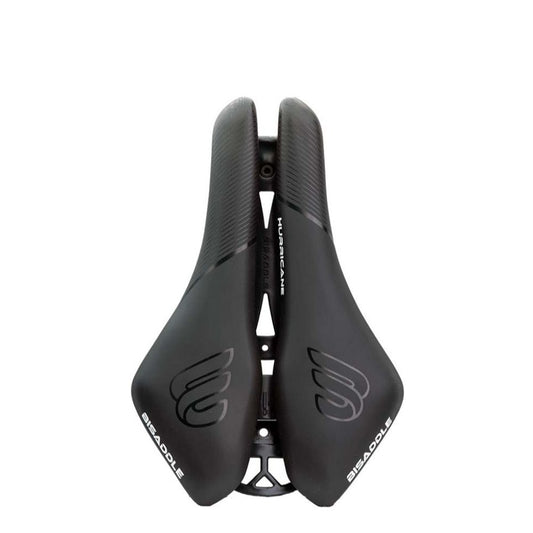
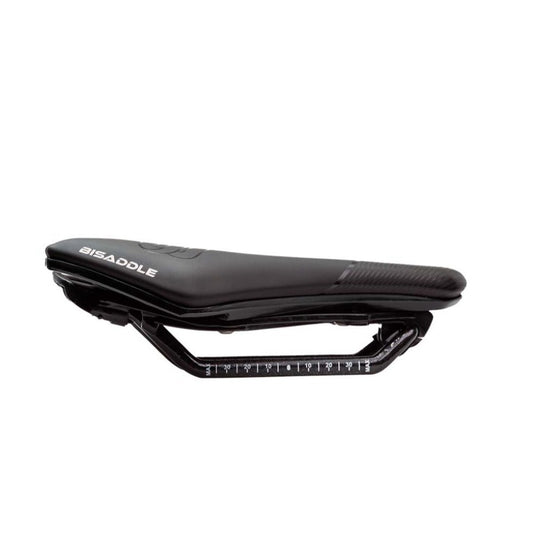
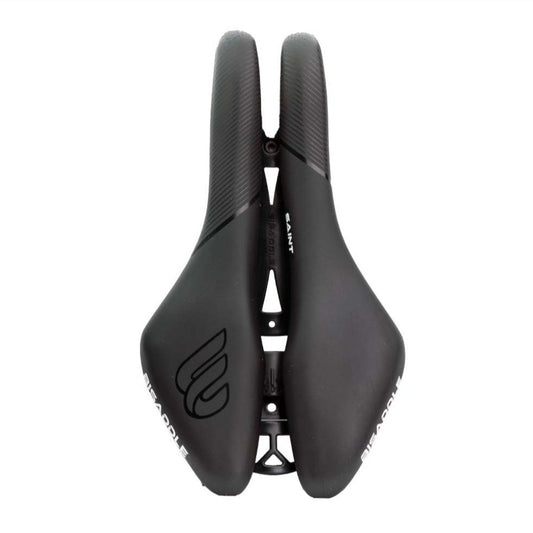
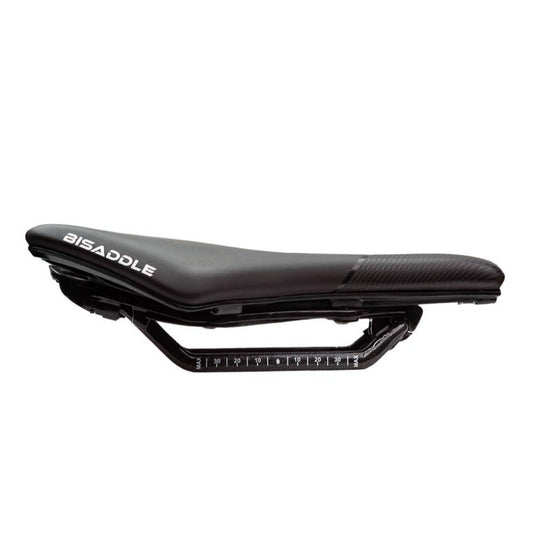
- The "Adjustable Saddle" as the Ultimate Tuning Tool: Think beyond adding something onto your saddle. The most effective "accessory" might be replacing your fixed saddle with one that has adjustable parameters. A saddle with an adjustable width, like a Bisaddle, allows you to perfectly match your sit bone spacing and riding style. This personalized fit ensures weight is borne by your skeletal structure—the core principle of preventing numbness and pain.
The Bottom Line
Your comfort and health on the bike matter. While aftermarket gel pads exist, they're a temporary and often imperfect fix. Your money and effort are better spent on the correct foundational elements:
- A professionally measured bike fit.
- A high-quality saddle that matches your anatomy (correct width, with pressure relief features).
- Excellent bib shorts or liners with a premium chamois.
- Consider innovative solutions like an adjustable saddle that lets you tailor the fit precisely to your body, eliminating the need for compensatory accessories.
Don't accept discomfort as a normal part of cycling. By addressing the root cause—proper support for your unique physiology—you can ride longer, stronger, and with more joy. Get the foundation right first, and you'll likely find you don't need to stick anything on your saddle at all.