I've spent years in the workshop and on the road, and I've seen countless riders grab a gel cover or extra padding at the first sign of saddle discomfort. For women cyclists, a softer seat can feel like the obvious fix for a very personal health concern. It makes sense—but from an engineering and biomechanical standpoint, it's often a misstep that leads you away from real, lasting comfort. Let's break down the real trade-offs so you can make the best call for your health and performance.
The Allure: Why Saddle Covers & Extra Padding Seem Tempting
On the surface, these solutions have clear, immediate benefits:
- Instant Gratification: Quick, affordable cushioning against a saddle that feels too firm. Takes the edge off road vibrations on a short ride.
- Risk-Free Experimentation: A cover lets you test a plusher feel without buying a new saddle. Useful as a low-stakes diagnostic tool.
- Saddle Preservation: Acts as a protective layer against sweat, wear, and the elements, extending the life of your saddle's cover.
The Reality: The Hidden Costs to Comfort & Health
The pros are about temporary sensation. The cons hit fit and long-term well-being. Let's get technical.
1. They Destroy Careful Saddle Geometry
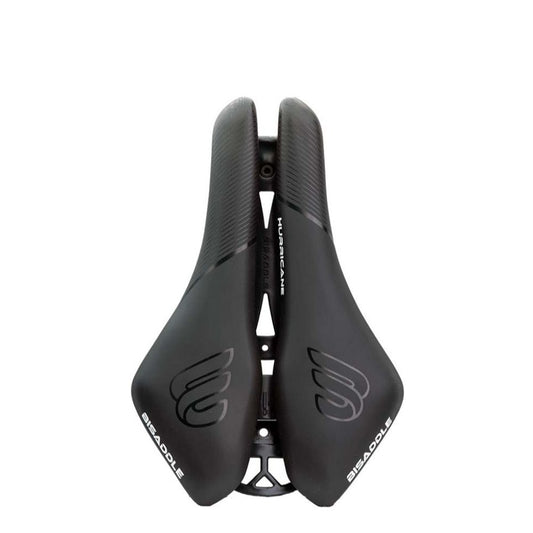
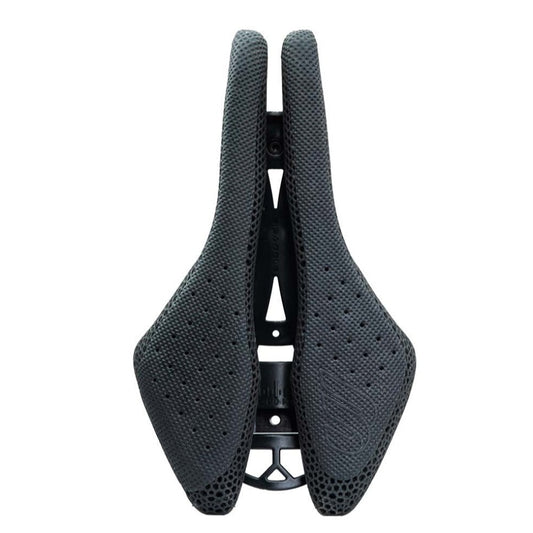
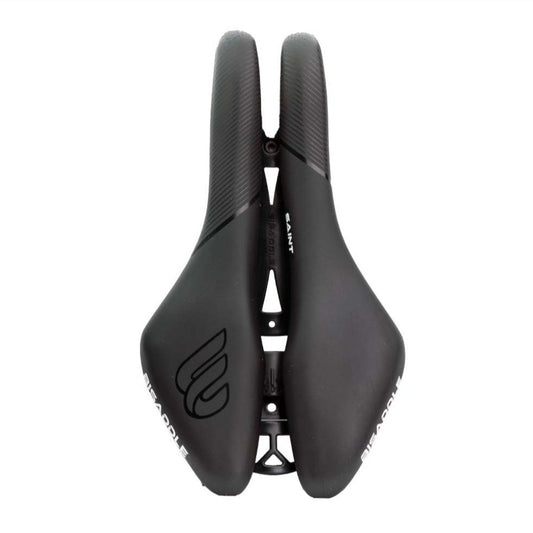
A performance saddle isn't random foam. It's a precision-engineered platform with specific contours, width, and curvature designed to support your sit bones (ischial tuberosities) and relieve pressure on soft tissue. Slap a thick, uniform pad on top and you completely alter that geometry. It often fills in the critical central relief channel or cut-out, redirecting pressure onto the perineal and vulvar area—exactly what you're trying to protect. That can increase risks of numbness, labial swelling, and nerve compression.
2. They Create Instability and Friction
Padding that isn't bonded to the saddle shell shifts and bunches. That creates unpredictable pressure points and, critically, more friction—the main cause of saddle sores and skin irritation. Your body needs a stable platform to generate power. A moving, squishy surface forces your stabilizing muscles to work overtime and can lead to significant chafing on the inner thighs.
3. The "Hammock Effect" and Soft Tissue Pressure
This is a classic engineering failure mode. Excessively soft padding compresses fully under your sit bones, letting them sink down. The center and nose of the saddle then deform and push upward into soft tissue. Instead of supporting your skeleton, a too-soft setup engulfs it, increasing perineal pressure and reducing blood flow—the opposite of a healthy setup.
4. They Mask the Real Problem
Discomfort is a signal, not a sentence. Adding padding muffles that signal, so you never solve the root cause. Persistent pain almost always points to one of three core issues: an ill-fitting saddle, incorrect saddle position (height, fore/aft, tilt), or a poor overall bike fit. A cover keeps you from fixing what actually needs fixing.
The Expert's Roadmap to Lasting Comfort & Health
Your long-term health on the bike is paramount. Ditch the quick fix and build a correct foundation with this actionable protocol.
- Invest in a Professional Bike Fit: This is priority number one. A skilled fitter measures your sit bone width, assesses your flexibility and riding style, and dials in your saddle position. Proper height, tilt, and fore/aft are non-negotiable for pelvic health and power transfer.
-
Choose a Quality, Anatomically Designed Saddle: Look for a saddle built with intent. Key features:
- Correct Width: Supports your sit bones without pinching.
- An Effective Relief Channel or Cut-Out: Offloads pressure from soft tissue and maintains healthy blood flow.
- Appropriate Padding Density: Firm, supportive materials that cushion without bottoming out or deforming.
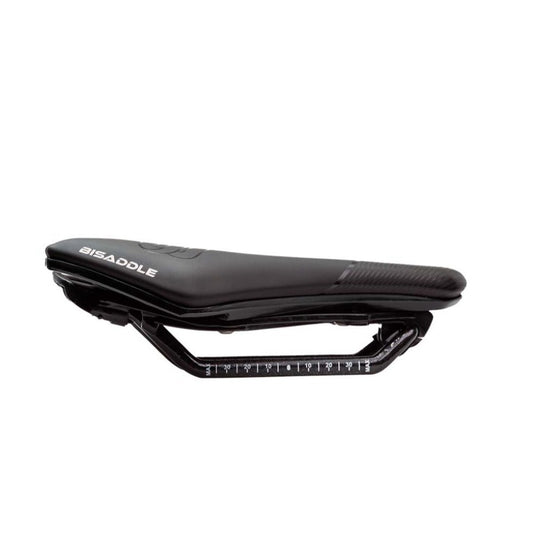
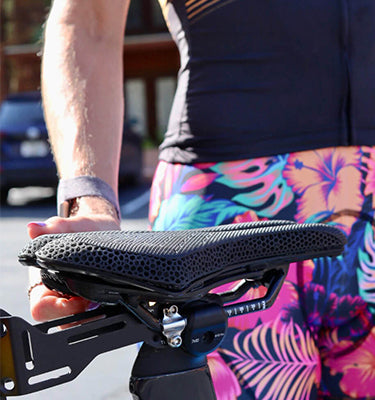
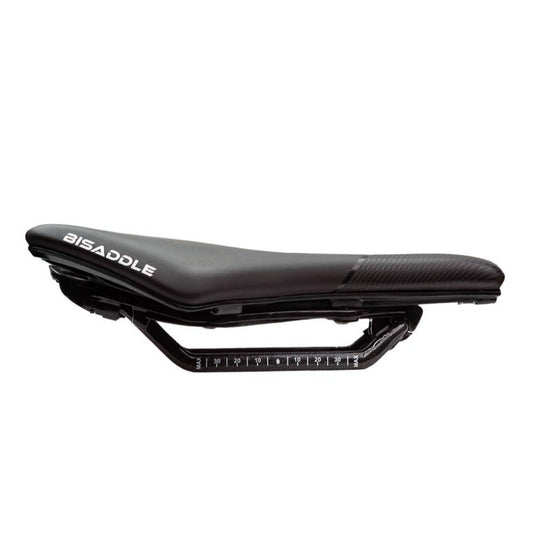
- Embrace Precision with Adjustability: Anatomy isn't one-size-fits-all. The most effective solution is a saddle you can tailor to you. An adjustable saddle allows micro-tuning of width and angle to match your unique sit bone spacing and riding posture, ensuring weight is borne correctly by your skeletal structure. That personalized approach beats any generic cover.
- Partner with Quality Bib Shorts: A proper chamois works with your saddle. It provides moisture-wicking, seamless cushioning, and reduces friction without altering the saddle's critical shape. It's a synergistic piece of the system, not a cover-up.
The Final Verdict
A saddle cover might offer fleeting comfort on a casual spin, but its technical and health-related drawbacks make it a poor choice for any serious female cyclist. It's a compensatory product for an uncorrected problem.
For true, lasting comfort that protects your health and elevates your riding, invest in a professional bike fit and a high-quality saddle that matches your anatomy. Think of it as essential, non-negotiable equipment—as crucial as a reliable helmet. Your body, and your performance, will thank you for every mile to come.