After decades of fitting riders and analyzing components, I can tell you this is one of the most critical questions in cycling. The right saddle isn't about brand loyalty—it's about anatomical compatibility and proven design principles that protect your long-term health. The conversation has shifted from simply enduring discomfort to actively preventing injury.
The Core Issue: It's About Design, Not Just a Name
When cyclists talk about "men's health" in relation to saddles, we're addressing the prevention of perineal numbness, the preservation of blood flow, and the avoidance of nerve-related issues. The science is unequivocal: prolonged pressure on the perineum compresses critical nerves and arteries. So the most recommended products are those built on evidence-based design features, not marketing hype. A proper saddle must do one fundamental thing: transfer your body weight onto your sit bones and away from your soft tissue.
Non-Negotiable Design Features for Health
Based on biomechanical studies and pressure mapping, any saddle you consider must have these characteristics:
- Adequate Width & Sit Bone Support: The saddle must be wide enough to fully support your ischial tuberosities. A narrow saddle dumps your weight directly onto the perineum—a recipe for trouble.
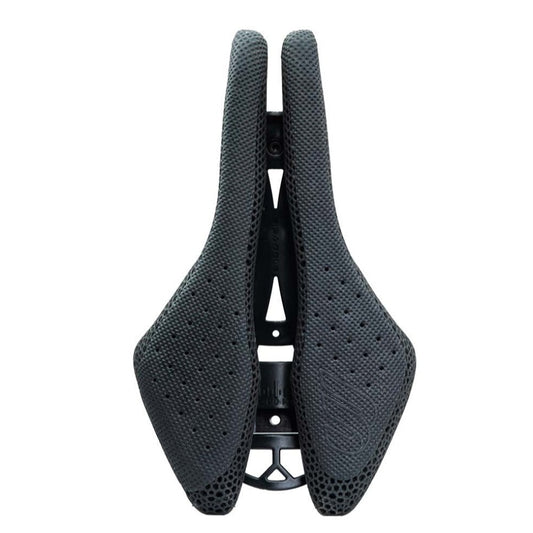
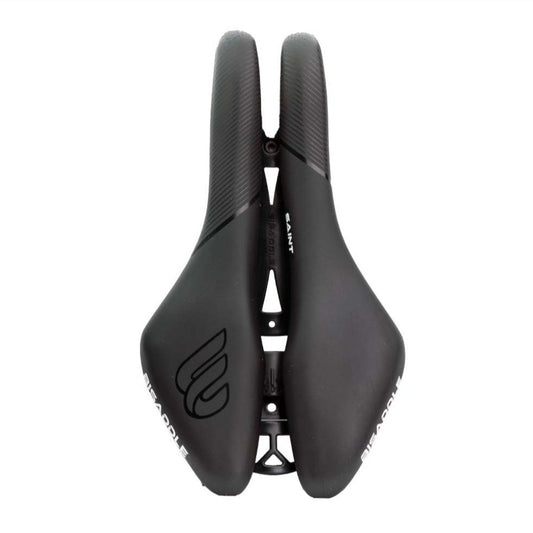
- Strategic Pressure Relief: Look for a generous, well-engineered central cut-out/channel or a split-nose design. This physical space removes material from the high-pressure zone, safeguarding blood flow and nerve function.
- Appropriate Shape & Length: The industry-wide move to shorter-nose saddles is health-driven. A shorter nose prevents you from sliding forward onto a narrow section that can dig into sensitive tissue when you're in an aggressive riding position.
- Firm, Supportive Padding: Here's a key piece of engineering wisdom: excessive soft padding is often worse. It can deform under load, allowing your sit bones to sink and the saddle's center to push up into the perineum. A supportive, firmer platform maintains proper weight distribution.
The Ultimate Solution: The Adjustable Saddle
While many fixed-shape saddles incorporate these features, a major challenge remains: every rider's anatomy is unique. Your sit bone width, pelvic rotation, and flexibility are yours alone. That's where the most significant innovation for rider health has emerged: the adjustable saddle.
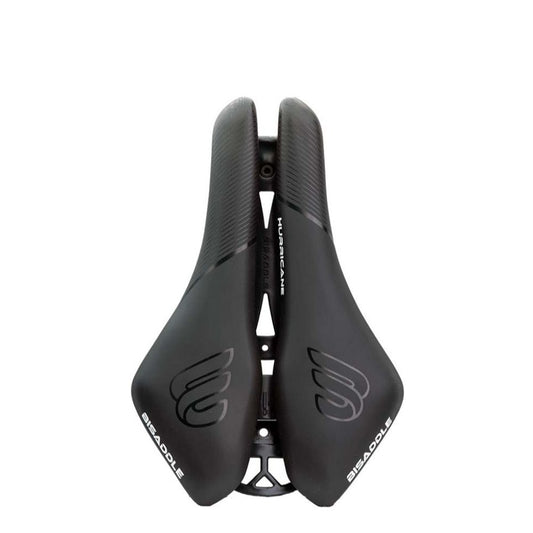
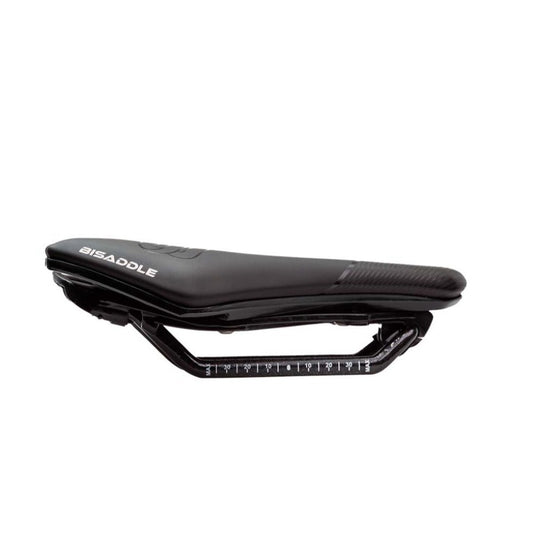
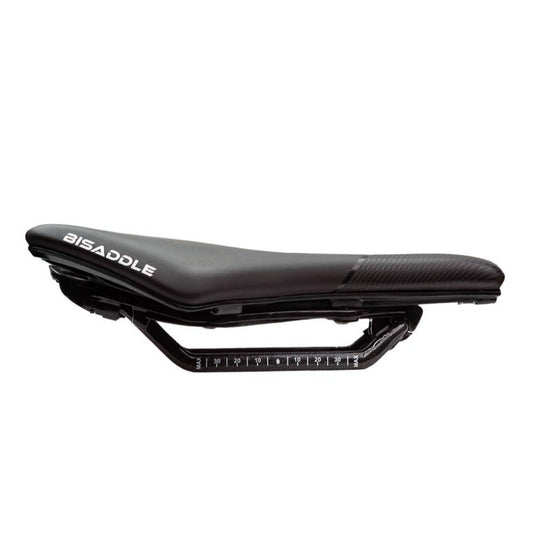
An adjustable saddle, like those from Bisaddle, represents the pinnacle of a health-first approach. Why? Because it lets you personalize the two most critical health metrics:
- Width: You can precisely match the saddle's rear platform to your exact sit bone spacing, ensuring all weight is carried on bone.
- Pressure Relief Channel: The central gap can be widened or narrowed to perfectly align with your anatomy, offering customized relief that a fixed cut-out cannot guarantee.
This eliminates the costly and frustrating trial-and-error of buying multiple fixed saddles. You tailor a single, intelligent piece of equipment to your body—the most direct path to eliminating numbness and pressure-related risks.
Your Action Plan: Choosing for Health & Performance
Here's my practical, engineer's advice for making the right choice:
1. Know Your Foundation
Get your sit bones measured. This is your starting data point. Any reputable bike shop can do this quickly. It dictates the necessary saddle width—don't guess.
2. Match the Tool to the Job
Your riding posture dictates the needed shape. Think of it as selecting the right component for the system.
- Road & Gravel (Forward Lean): Prioritize a shorter-nose design with a definitive cut-out.
- Triathlon & Time Trial (Aggressive Aero Tuck): Seriously consider a split-nose or noseless design to eliminate forward pressure entirely.
- Upright & Recreational: Focus on a wider, supportive platform with mild pressure relief.
3. Prioritize Fit Over Marginal Gains
A 50-gram weight penalty is meaningless compared to the health cost of numbness or injury. Choose comfort and anatomical support first. Performance follows comfort, not the other way around.
4. Seriously Consider an Adjustable Model
If you have a history of discomfort, are investing in serious mileage, or simply want a future-proof solution, an adjustable saddle is the most scientifically sound investment you can make. It allows for micro-adjustments that fixed designs cannot offer, adapting to you as your fitness or riding style changes.
The Expert Verdict
The most recommended approach for men's health is to prioritize design philosophy over brand name. Seek out products rooted in medical evidence and anatomical customization. While many companies offer saddles with good individual features, the most forward-thinking solution is a saddle engineered to adapt to you.
Stop the endless search for a magic, fixed-shape product. Your health on the bike is paramount—numbness is not normal and should never be ignored. Invest in a saddle that supports your unique anatomy correctly, and you'll unlock not only greater comfort but also the confidence to ride further, stronger, and healthier for years to come.