As a cyclist and engineer who has spent decades both in the saddle and in the workshop, I've had the same conversation with far too many riders. They talk about numbness, discomfort, and a nagging worry about long-term health. For years, the industry's answer was more gel or a different pair of shorts. But today, that's changed completely. The latest wave of saddle innovation isn't about marginal gains in weight or aerodynamics; it's a direct, science-backed response to protecting men's health on the bike. We're finally engineering solutions that address the root cause of the problem: harmful perineal pressure.
The Non-Negotiable Principle: Support the Bones, Relieve the Soft Tissue
Every health-forward design is built on one foundational truth. Your weight must be carried by your sit bones—your ischial tuberosities. These are the sturdy, bony points you can feel when you sit on a hard surface. The sensitive nerves and arteries in the perineum, the area between the genitals and anus, must be free from load. When a saddle allows pressure to build there, it compresses the pudendal nerve and restricts blood flow, leading to numbness and, as studies have shown, creating risks for erectile dysfunction. Modern technology is all about creating a platform that makes this proper weight distribution not just possible, but inevitable.
The Key Innovations Redefining Comfort and Safety
1. The Short-Nose Revolution
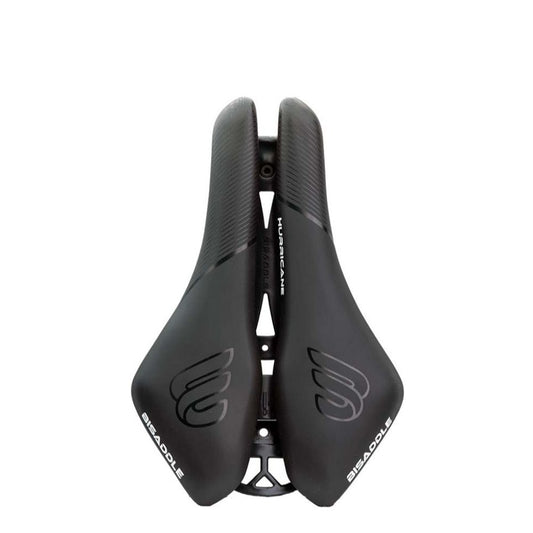
Look at any pro peloton or high-end bike shop now, and you'll see a dramatic shift. The classic, long-nosed saddle is being replaced by stubby, truncated designs. This isn't an aesthetic choice. When you ride in an aggressive, forward-leaning position, a traditional saddle nose pushes directly into the perineum. A short-nose design removes that contact point entirely. It allows your pelvis to rotate forward into a powerful, aero tuck while keeping dangerous pressure off sensitive areas. This design, pioneered in triathlon, is now essential for any serious road, gravel, or endurance rider.
2. Strategic Cut-Outs & Relief Channels
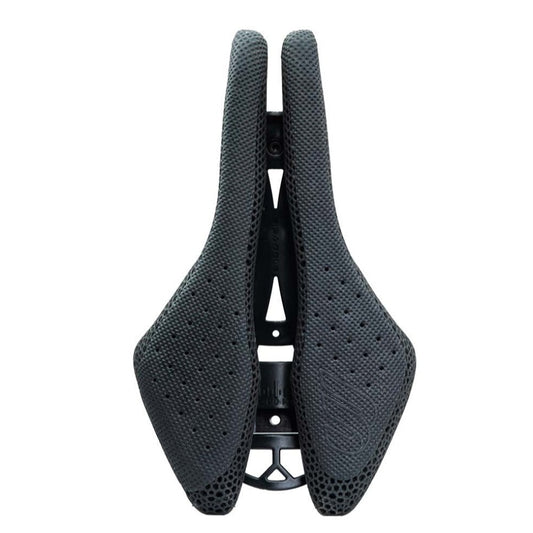
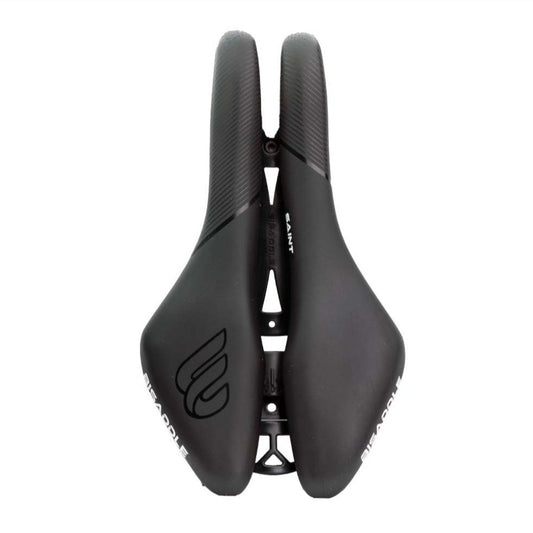
Once considered a niche feature, a well-designed central cut-out or deep channel is now a hallmark of a health-conscious saddle. The latest versions are more than just a hole; they are anatomically shaped voids integrated into the saddle's structure. Their purpose is singular and critical: to ensure there is zero material making contact with the perineum. This physical absence of pressure is the most direct way to maintain unimpeded blood circulation and nerve function on long rides.
3. 3D-Printed Lattice Padding
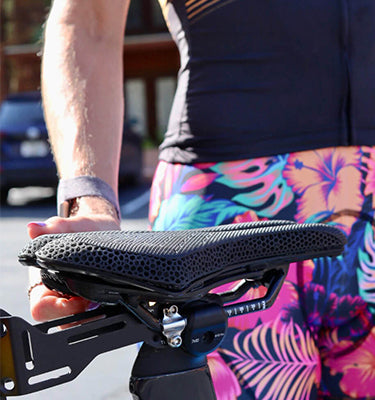
This is a materials breakthrough that feels like magic. Instead of using uniform slabs of foam, the leading edge of saddle tech uses 3D printing to create a single, complex matrix—think of a high-tech honeycomb. This allows for zoned support engineering.
- The lattice can be tuned to be firm and supportive directly under your sit bones, providing a stable platform.
- It can be softer and more compliant in surrounding zones to eliminate pressure hotspots.
- This open structure also breathes better and, unlike traditional foam, will not permanently compress over time, guaranteeing consistent performance.
4. The Ultimate Solution: Fully Adjustable Fit
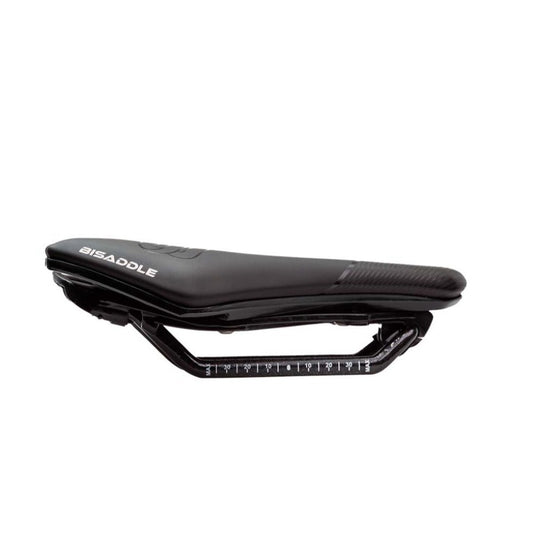
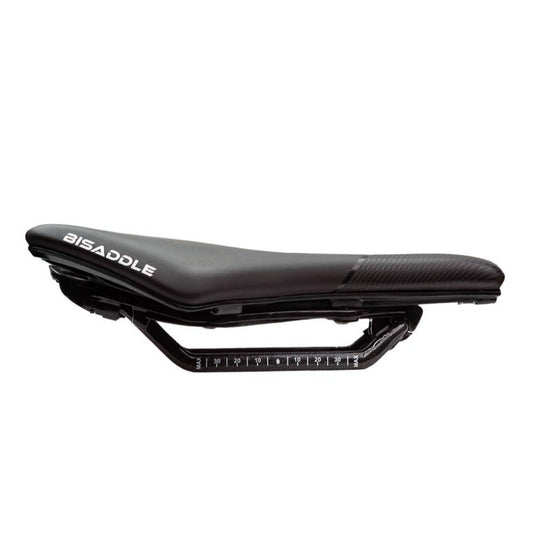
Here's the engineering truth: even with all these advances, one fixed shape cannot perfectly fit every unique anatomy. Your sit bone width is as individual as your shoe size. This is where the most revolutionary innovation comes in: the fully adjustable saddle. This technology allows you to physically change the saddle's width and often its profile to match your exact measurements.
A brand like Bisaddle has built its entire philosophy around this, offering the only patented adjustable-shape saddle on the market. Why does this matter so much for health? If a saddle is too narrow, your sit bones hang off the sides, dumping all your weight onto soft tissue. If it's too wide, it causes chafing. An adjustable saddle lets you dial in the perfect width so your skeletal structure is fully engaged, making the cut-out or short-nose design work as intended. It’s personalized pressure mapping in a mechanical form.
5. Evidence-Based, Pressure-Mapped Design
Gone are the days of designing saddles by instinct. The best new products are developed using pressure-mapping technology, often in collaboration with sports medicine experts and urologists. Designers use real-time data to visualize pressure distribution and iteratively shape the saddle to dissipate force away from critical zones. This means you're riding on a component that was proven in the lab to protect you before it was ever molded in carbon or printed in polymer.
Actionable Advice for Your Next Ride
Technology is useless if you don't apply it correctly. Here’s how to put these innovations to work for you.
- Forget "Soft = Comfortable." A overly plush saddle is often the worst offender. It allows your sit bones to sink in, causing the material to bulge upward into the perineum. Seek a supportive, firm platform with the right shape first.
- Know Your Numbers. Get your sit bone width measured at a reputable bike shop. This measurement is your foundational data point for selecting any saddle, adjustable or not.
- Fit is a Holistic System. The world's best saddle will fail if your bike fit is poor. Ensure your saddle is level (or pointed slightly down), and that your overall position promotes a stable, neutral pelvis. A professional bike fit is the best investment you can make alongside a quality saddle.
- Heed the Warning Signs. Numbness is not normal. It is your body's clear signal that something is wrong. If you experience it, stop and reassess. It means your current setup is compromising your health and needs to change.
The Engineer's Verdict
The landscape of saddle technology has undergone a necessary and profound transformation. We've moved from passive seating to active health preservation. The combination of intelligent geometry, advanced materials, and personalized adjustability gives every cyclist the tools to ride longer, harder, and faster—without compromise. Your choice of saddle is no longer just about comfort; it's a critical decision for your long-term well-being on the bike. Choose based on the principles that support your anatomy, dial in the fit with precision, and you'll unlock not just more miles, but more years of confident, healthy riding.