This is one of the most common and critical questions in cycling comfort. The right saddle firmness isn't about personal preference for "plush" versus "firm"; it's about biomechanical function. A saddle that's too hard or too soft for your anatomy and riding style will lead to pain, numbness, and inefficiency. Let's diagnose the issue so you can find your perfect platform.
The Goldilocks Principle: It's About Support, Not Cushioning
First, let's reframe the question. Your saddle isn't a chair; it's a support platform. Its primary job is to support your ischial tuberosities (your sit bones) efficiently, keeping the weight off your soft tissue and perineum. The ideal firmness provides a stable, non-deforming base for these bones.
- Too Soft: The padding compresses too easily, allowing your sit bones to sink down and "bottom out" against the harder shell or rails. This often causes the center of the saddle to push upward into your sensitive perineal area, increasing pressure on nerves and blood vessels. It's like sitting on a soft mattress that sags in the middle—initially comfortable, but ultimately creating pressure points.
- Too Hard: The platform offers no compliance, concentrating all the impact and pressure directly on a small area of your sit bones. This can lead to bruising, hot spots, and excessive vibration transfer to your spine. It fails to dampen road shocks, making for a harsh, punishing ride.
Signs Your Saddle is TOO SOFT
- Perineal Numbness or Discomfort: This is the biggest red flag. If you experience tingling, numbness, or aching in the soft tissue between your legs after 20-30 minutes of riding, the saddle is likely too soft. Your sit bones have sunk, forcing the saddle's center to intrude where it shouldn't.
- Constant Shifting and Fidgeting: You can't find a stable, comfortable spot. You're always moving around because the soft padding is unstable and doesn't provide a definitive support point.
- Hot Spots on Sit Bones: Ironically, a too-soft saddle can cause focused pain on your sit bones because they are pressing against the hard shell underneath the inadequate padding.
- Feeling of "Bouncing" or Instability: During hard efforts or out-of-the-saddle sprints, you feel a lack of solid connection to the bike. The saddle deforms under load, wasting energy.
Signs Your Saddle is TOO HARD
- Bruised or Aching Sit Bones: After a ride, you feel a distinct, localized bruising sensation on the bones themselves. While some initial tenderness is normal as you adapt, sharp pain or bruising that doesn't subside is a sign.
- Generalized Buttock Pain: Instead of a focused bone pain, you feel a broad, aching soreness across the entire gluteal area from the muscles working overtime to compensate for the lack of damping.
- Excessive Vibration and Impact Transfer: You feel every crack in the pavement travel directly up your spine. The saddle provides no shock absorption, leading to back and neck fatigue on long rides.
- Skin Chafing and Abrasion: The unyielding surface can create more friction against your shorts, increasing the risk of chafing and saddle sores, especially on long, sweaty rides.
How Your "Body Type" and Riding Style Influence Firmness
Your anatomy and how you ride are crucial factors.
- Weight and Build: Heavier riders will compress padding more, often requiring a firmer base or more advanced materials that don't bottom out. Lighter riders might find a moderately padded firm saddle perfect.
- Riding Discipline: A road racer needs a firm, supportive saddle for efficient power transfer. An endurance gravel rider benefits from slightly more damping, but the core must remain supportive to prevent numbness. A triathlete in an aero tuck needs firm, supportive padding under the pubic arch to avoid disastrous soft-tissue pressure.
The Action Plan: Diagnose and Solve
1. Get Your Sit Bones Measured
This is step zero. Any good bike shop can measure your sit bone width. Your saddle should be at least 2cm wider than this measurement to provide proper support. A saddle that's too narrow, regardless of padding, will fail you.
2. Assess Your Current Saddle
Take the "thumb test." Press your thumb hard into the center of the saddle. If you can easily feel the hard base or rails with moderate pressure, the padding is likely insufficient (too hard for you). If you can press deeply with little resistance and the material deforms dramatically, it's likely too soft.
3. Consider Modern Materials
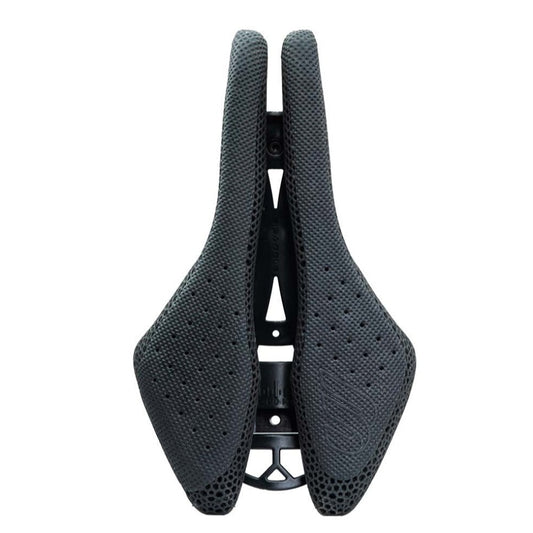
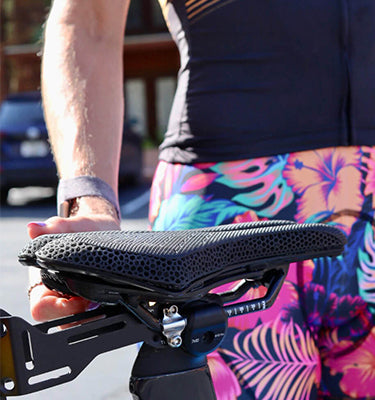
Traditional foam can compact over time. Advanced solutions like 3D-printed polymer lattices are revolutionizing this space by offering zones of different firmness—softer where needed for damping, firmer under the sit bones for support—all without bottoming out.
4. Think Beyond Just Padding - Think Shape and Relief
Often, the issue isn't pure firmness, but shape. A saddle with a central cut-out or channel relieves soft tissue pressure regardless of padding level. A shorter nose prevents perineal pressure when you ride in the drops. These design features are often more important than padding density.
5. The Ultimate Solution: Precision Fit
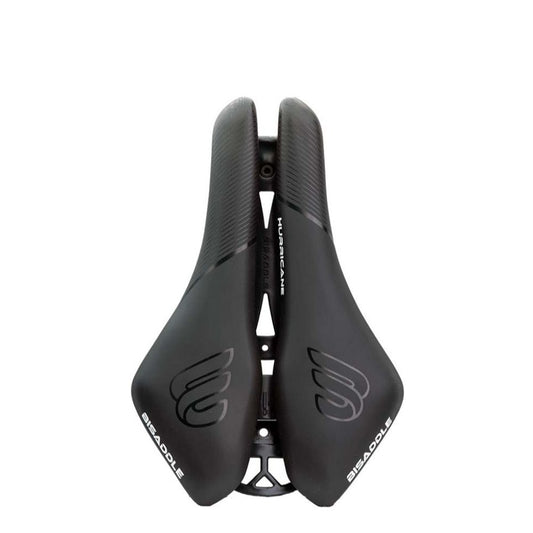
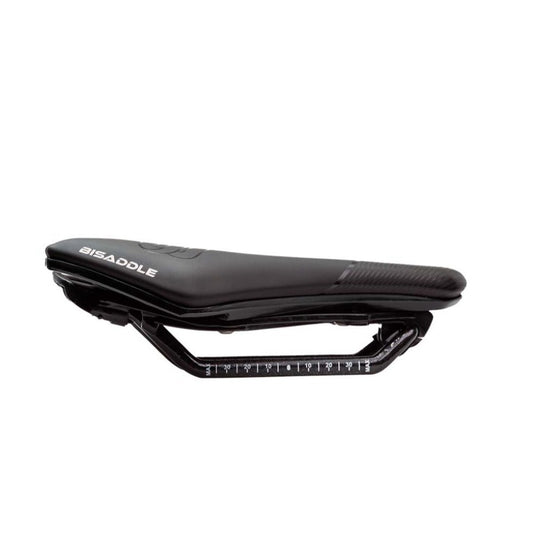
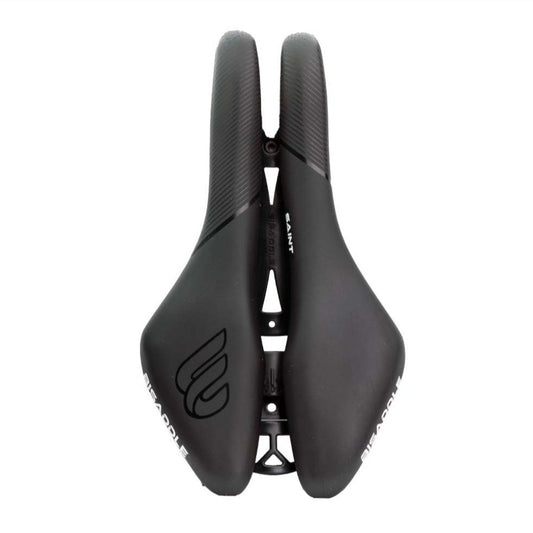
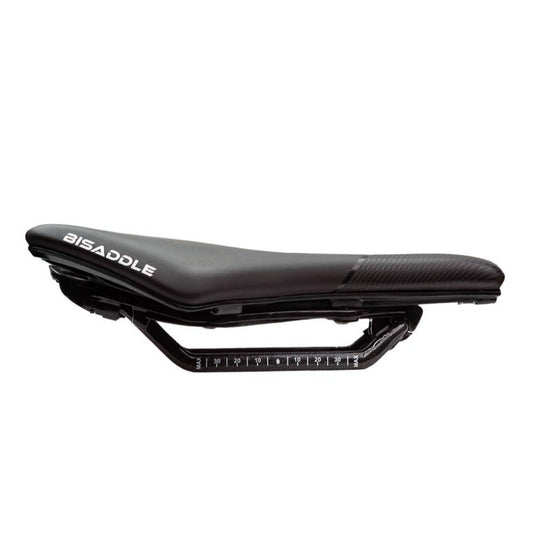
The real challenge is that "body type" is unique. Two riders with the same sit bone width may have different pelvic rotations, flexibility, and pressure maps. This is why the industry is moving toward customization. An adjustable saddle, like those from Bisaddle, solves the firmness and shape dilemma by allowing you to tailor the width and angle precisely to your anatomy, ensuring your weight is always carried on the correct structures.
Final Verdict
Listen to your body. Numbness means it's wrong—usually too soft or the wrong shape. Bruising means it's wrong—usually too hard or the wrong width. Discomfort that forces you to shift constantly is a clear signal.
Don't fall for the myth that a softer saddle is always more comfortable. Seek a saddle that provides stable, supportive contact with your sit bones and eliminates pressure everywhere else. Your perfect saddle should feel like a supportive extension of your body, not a cushion you sink into or a rock you perch on. When you find it, you’ll unlock longer, faster, and more enjoyable rides.