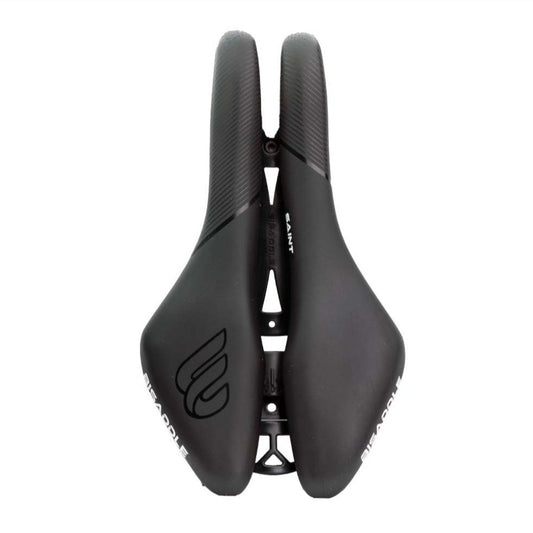
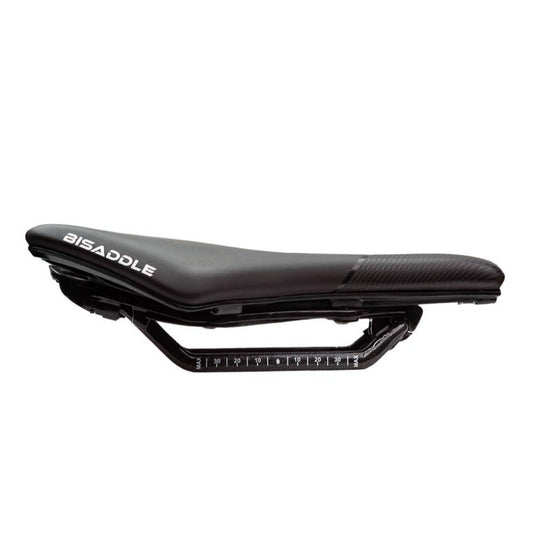
Type “most comfortable men’s road bike seat” into a search bar and you’ll get a familiar list of usual suspects, a handful of glowing reviews, and a lot of advice that boils down to “try what everyone else likes.” The trouble is that saddle comfort isn’t a popularity contest. It’s a contact mechanics problem-where your body is supported, how your pelvis rotates as you ride, and whether pressure ends up on bone or on soft tissue.
Once you frame it that way, the idea of a single “most comfortable” saddle starts to fall apart. The saddle that feels perfect to one rider can be a numbness machine for another, even at the same height and weight. What actually works is choosing (or tuning) a saddle so it supports your structure consistently across the positions you really use: hoods, drops, long steady endurance, hard seated efforts, and-if you do it-a lot of indoor trainer time.
Comfort isn’t a vibe-it’s load management
On a road bike, comfort has less to do with “plushness” and more to do with where the load goes. A saddle that supports you in the right places can feel firm in the hand and still disappear beneath you on a four-hour ride. A saddle that’s the wrong shape can feel fine for 20 minutes and then slowly ruin your day.
In practical terms, comfort has three technical requirements working together:
- Primary support on skeletal structures (typically the sit bones, with contact shifting forward as you rotate your pelvis in more aggressive positions)
- Reduced pressure on the perineum (where nerves and blood vessels are vulnerable to compression)
- Low shear and stable posture (to reduce friction-driven issues like saddle sores)
If one of those three breaks down, riders usually compensate by shifting, sliding forward, or hovering slightly-movements that feel “busy” on the saddle and often lead to hot spots or skin irritation.
The counterintuitive truth: more padding can make things worse
It’s completely reasonable to assume that a softer saddle is a more comfortable saddle. On a road bike, though, too much softness can backfire. Here’s why: as padding compresses under your sit bones, your pelvis can sink. When that happens, the saddle’s center effectively becomes more prominent, which can increase pressure where you least want it.
This is one reason performance road saddles tend to be firmer than many riders expect. Firm doesn’t mean harsh-it often means the saddle is strong enough to keep your weight where it belongs instead of letting you collapse into the middle.
Why modern road saddles got shorter (and why it matters)
The rise of short-nose saddles and bigger cut-outs wasn’t just a trend. Road positions have changed. Many riders spend more time with a lower front end and a more forward-rotated pelvis, even outside of time trials. In that posture, a traditional long nose can become a lever pressing into soft tissue.
Short-nose designs and modern relief channels address that by:
- Reducing interference when you rotate forward
- Making it easier to stay in the drops without the saddle punishing you
- Creating meaningful relief for the perineal area when the saddle is loaded
For many men riding modern endurance and race road setups, a short-nose saddle with a real cut-out is simply a better starting point than older long-nose shapes.
The overlooked detail: your pressure map changes during the ride
Most saddle reviews treat the rider like a statue. Real riding doesn’t work that way. Your contact points shift with hand position, fatigue, power output, terrain, and even the season as flexibility changes. Indoor riding amplifies this because you’re often seated longer with fewer natural micro-breaks.
That’s why a saddle can be “great” for the first hour and fail you later. It’s also why you’ll hear riders say a saddle works outside but feels brutal on the trainer. It isn’t all in your head-your posture and pressure distribution are genuinely different.
Two roads to comfort: better cushioning vs. better geometry
Most modern comfort gains come from one of two approaches. Both can work, but they solve different problems.
1) Advanced cushioning (including 3D-printed lattice padding)
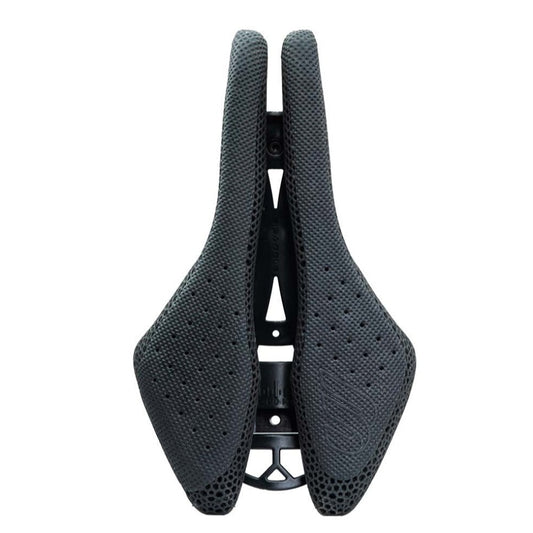
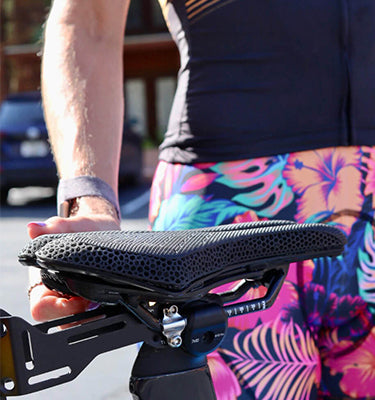
3D-printed lattice saddles can vary support across different zones in a way traditional foam can’t. That can mean fewer pressure spikes and a more even feel over long rides. If the saddle’s underlying shape suits you, this can be an excellent solution.
The limitation is simple: it’s still a fixed shape. If the width or cut-out placement doesn’t match your anatomy and posture, the fanciest padding in the world can only compensate so much.
2) Geometry control (adjustable-shape saddles)
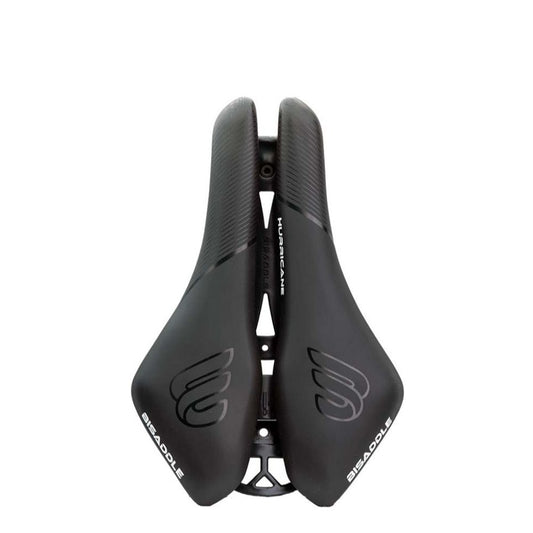
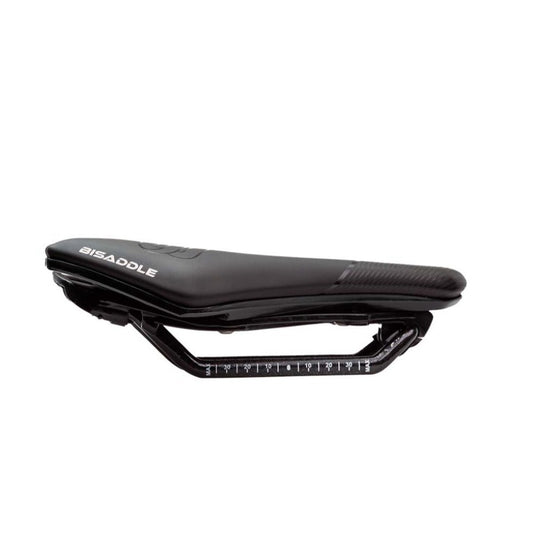
This is the option many riders don’t consider until they’ve burned through multiple saddles: a design that can be adjusted to change width and the size of the central relief gap. The advantage is that instead of gambling on whether a factory shape matches you, you can tune the support path until pressure lands on the right structures.
It’s not automatically the best choice for everyone, but if you’ve tried several reputable saddles and still deal with numbness or persistent sores, shape adjustability can shorten the trial-and-error loop dramatically.
Use your symptoms to diagnose the mismatch
If you want to get practical quickly, start with what you feel and work backward to what it usually means.
Perineal numbness (especially in the drops)
- Often points to nose pressure during forward pelvic rotation
- Can also be a sign the saddle is too narrow, causing you to collapse inward
- Typically improves with a short-nose design, a true cut-out, and the correct width
Sit bone soreness that builds over time
- Common when the saddle is too narrow or too curved at the rear
- Can also happen when padding is so soft you “bottom out”
- Often improves with a wider platform and firmer, more supportive construction
Saddle sores and chafing
- Frequently caused by instability and micro-movement, not just pressure
- Edge shape matters; some saddles simply interfere with your thigh path
- Often improves when the saddle holds you still enough that you stop “searching” for comfort
A buying strategy that actually works
If you’re serious about finding your most comfortable road saddle, here’s the order that tends to produce results without endless swapping.
- Get width right first. A saddle can’t be comfortable if your sit bones aren’t properly supported.
- Match the saddle architecture to your posture. Many men in modern road positions do best starting with short-nose and meaningful central relief.
- Decide whether you need tunability. If you’re a one-position rider with a stable fit, a fixed saddle may be perfect. If you’ve already tried several and keep getting numbness or sores, consider an adjustable-shape option that lets you change the load path.
Where saddle comfort is headed
The industry is moving toward more measurement-driven design: pressure mapping, advanced materials, and increasingly personalized fit. The next step is obvious-feedback loops that help riders quantify what’s happening and adjust accordingly. When that becomes normal, “most comfortable” won’t be a vague label. It’ll be a saddle that demonstrably keeps pressure off sensitive tissue, stays stable across positions, and remains tolerable deep into long rides.
Bottom line
The most comfortable men’s road bike seat is the one that supports bone, protects soft tissue, and keeps you stable enough to avoid friction-driven problems. For many riders, that’s a modern short-nose cut-out saddle in the correct width. For riders who have been through the saddle carousel already, the best answer may be the saddle you can tune until it matches your body instead of hoping a fixed shape guesses right.