Anyone who’s spent time in the saddle knows that bike seat discomfort isn’t just about sore muscles or a tough ride. For men, penile numbness can turn a passion for cycling into a real health concern. Not long ago, this subject was rarely addressed openly, but things have changed. Thanks to advances in medical science and new voices in cycling, what was once a quiet complaint is now driving a full-fledged revolution in saddle design and rider comfort.
Behind the scenes, an alliance of doctors, engineers, and everyday cyclists are shaking up decades of cycling tradition. The result: a new standard for what we call the best bike seat-one that prioritizes your health as much as your performance. So, what does this mean for the way we ride?
Why Classic Saddles Fell Short
For decades, the classic bike seat was long, narrow, and tough. These were crafted for race day aesthetics and to shave a few grams where possible. If they left you numb or sore, that was shrugged off as a rite of passage. But research revealed a different story.
Studies published in the last two decades showed that these traditional saddles could decrease blood flow to sensitive areas by as much as 82%. This wasn’t about “getting used to it”-it was a clear sign the design overlooked real anatomical needs.
The Medical Perspective Changes Everything
The real breakthrough came when medical technology met saddle engineering. By using pressure mapping and oxygen sensors, experts pinpointed exactly where and how traditional saddles applied damaging pressure. As a result, the industry took notice, and new developments emerged:
- Short-nose and noseless saddles: These dramatically reduce pressure in the perineal area, especially for aggressive riding positions.
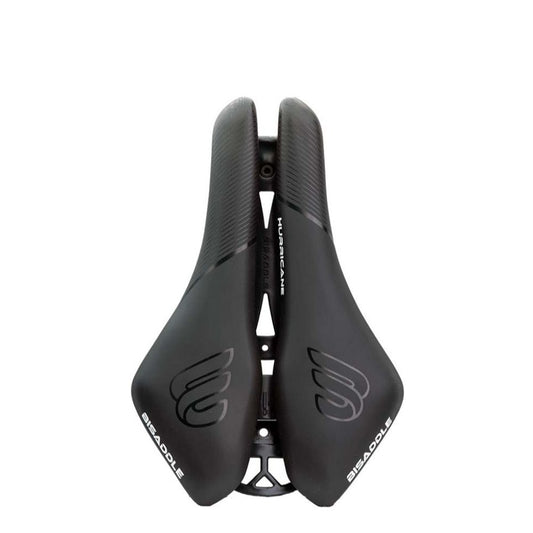
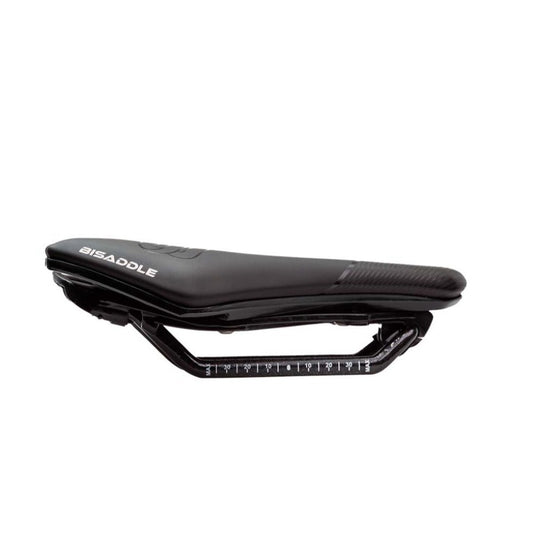
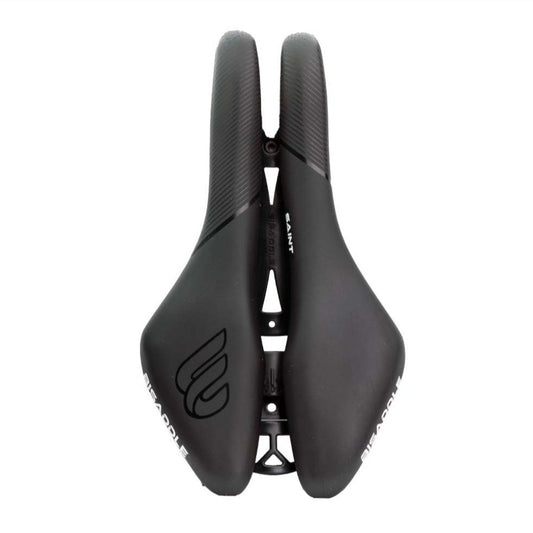
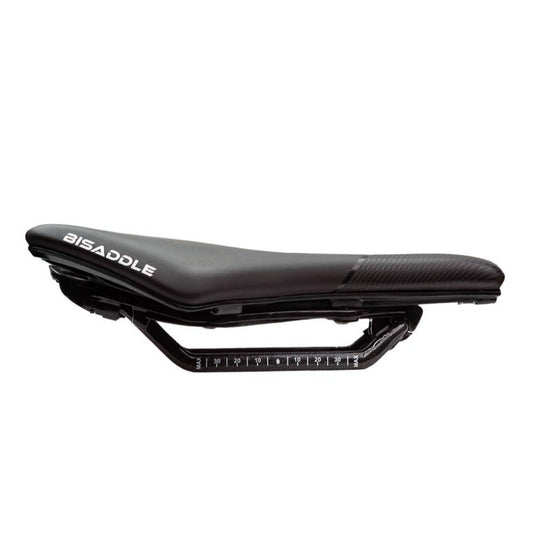
- Adjustable-width saddles: Models like BiSaddle allow riders to fine-tune their seat width for true sit-bone support and custom comfort.
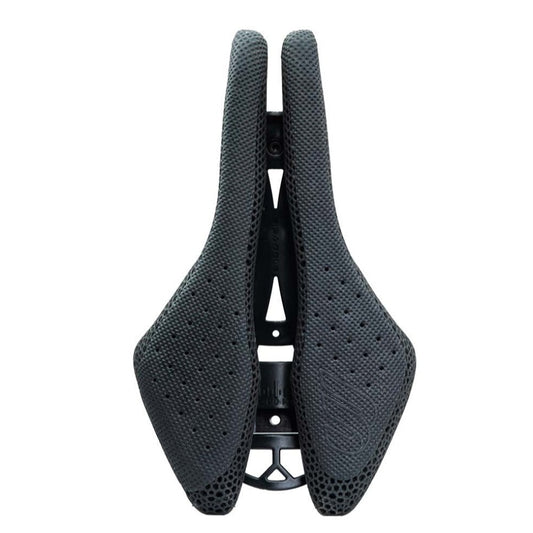
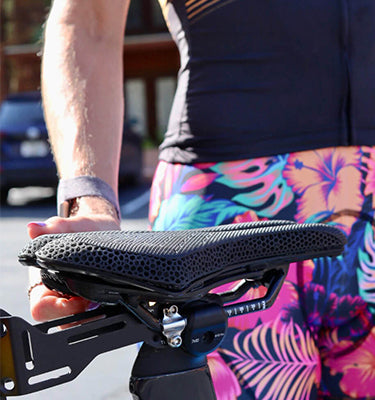
- 3D-printed materials: Brands are now using advanced lattice designs that vary in firmness and flexibility, keeping you comfortable mile after mile.
- Anatomy-specific options: Modern brands now offer seats in a range of widths and shapes, recognizing the unique needs of different body types.
When Less Isn’t More
The cycling world historically rewarded the lightest gear possible. But here’s the irony: the lightest saddle often sacrifices comfort and blood flow. Some riders find that a few extra grams make all the difference in preserving both performance and health. The best seat isn’t always the featherweight-it’s the one that keeps you feeling normal, ride after ride.
The Impact for Today’s Cyclists
If you’re experiencing numbness, you’re not alone. The new generation of evidence-based, medically-informed saddles is designed to solve exactly that problem. Riders who make the switch often notice:
- Fewer saddle sores and less numbness
- Better endurance and comfort on long rides
- Fewer missed rides due to pain or recovery
These changes aren’t limited to the pros or weekend warriors-commuters, touring cyclists, and everyone in between are benefitting from this new approach to comfort and health.
Looking Ahead: The Future of Saddle Comfort
The next stage of saddle evolution is already on the horizon. Here’s what’s coming:
- Integrated pressure sensors: Soon, you’ll be able to monitor pressure in real time and fine-tune your fit instantly.
- Full customization: Affordable 3D printing will allow for truly one-of-a-kind saddles, shaped specifically for your anatomy.
- Ongoing research: Collaboration among the medical, engineering, and cycling communities promises even smarter and safer designs for all body types and riding styles.
The Takeaway
Penile numbness isn’t just an inconvenience-it’s your body’s way of telling you something’s wrong. The new generation of saddles, shaped by medical insight and personal experiences, moves beyond tradition and puts your health first. If your current saddle leaves you numb, don’t grit your teeth and bear it. Find a seat that supports your anatomy and lets you enjoy cycling-for the long haul.