Saddle discomfort and numbness are familiar foes for anyone who’s spent real time riding. But the real backstory of perineum-protecting saddles isn’t just about plush materials or the latest “ergonomic” buzzwords. The seat designs we trust today are the direct result of vigorous medical inquiry, health policy, and data-driven advocacy. The evolution of the modern bicycle saddle is a tale of science steadily reshaping tradition—right under the noses of both riders and the industry itself.
For decades, seats were built on legacy ideas—leather stretched across rails, engineered for durability and, as racing culture took hold, ever-narrower profiles. The perineum, packed with nerves and vital arteries, wasn’t at the center of design decisions. Discomfort was often dismissed as simply part of cycling. The assumption: what works for the pros is good enough for everyone else.
The Medical Community Steps In
All of that changed when researchers began connecting the dots between saddle pressure and more serious issues. Consider the facts:
- Men’s health risks: Studies found traditional saddles could suppress blood flow by up to 80%, sometimes resulting in numbness or even long-term erectile dysfunction.
- Women’s health revelations: Surveys revealed widespread issues among female riders, from swelling and pain to permanent soft tissue changes—all linked directly to saddle design.
It didn’t end with academic journals. High-profile incidents, including lawsuits from bike-mounted police officers, placed perineal injury squarely on the radar of workplace health policy. Suddenly, saddle comfort was no longer a “luxury”—it was recognized as a public health concern.
From Research to the Saddle Under You
The response was swift. Brands that once tinkered at the margins now turned to science. Pressure mapping—technology used in hospitals and labs—became a standard in saddle development. It exposed precisely where dangerous pressures developed on traditional seats. This permitted designers to focus their attention on relieving those hotspots, rather than just adding more foam.
What followed was a wave of innovation, including:
- Short-nose and noseless saddles (like ISM’s split-nose models) removing pressure from the perineum entirely
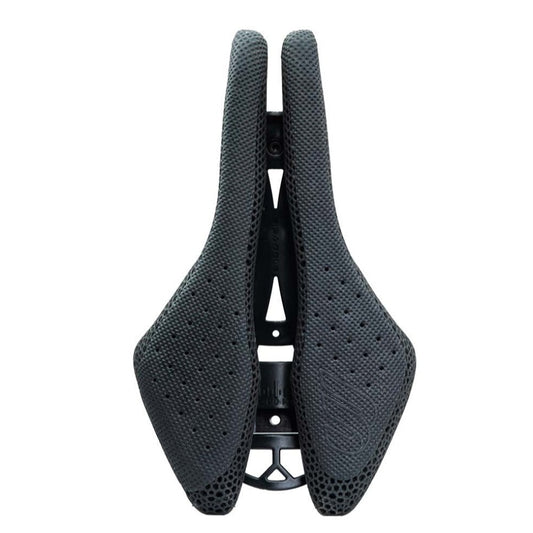
- Saddles with deep central cut-outs or relief channels
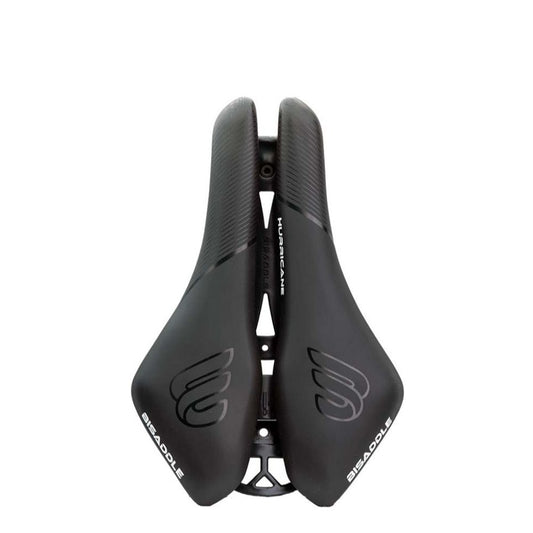
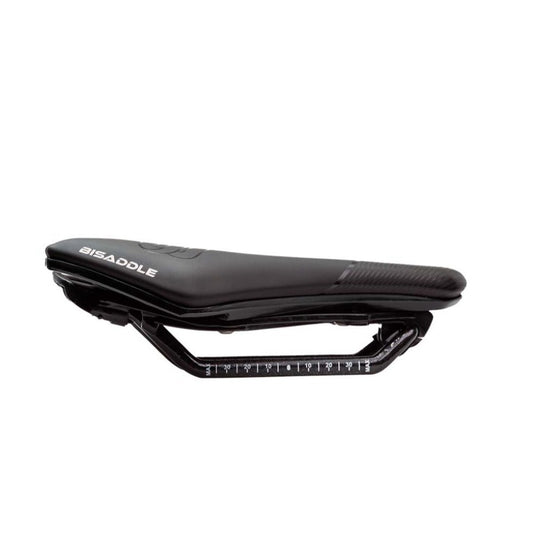
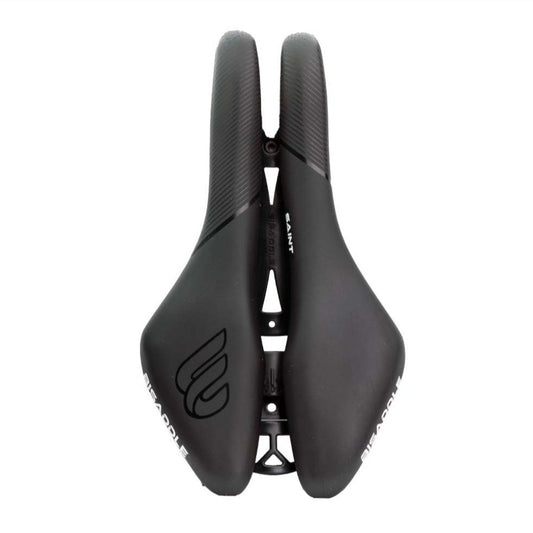
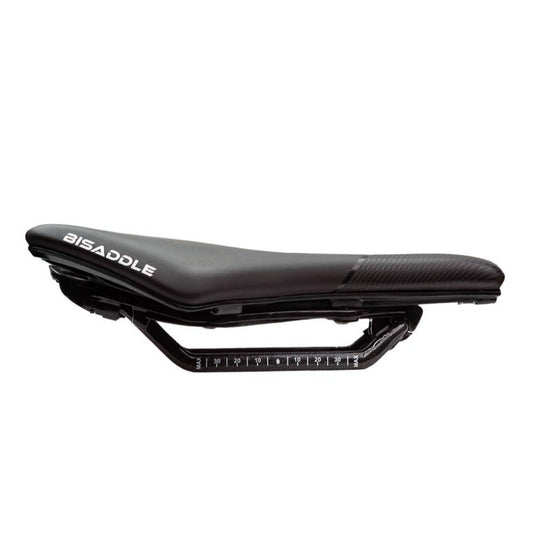
- Adjustable saddles (such as BiSaddle) that let riders tweak width and angle to their unique anatomy
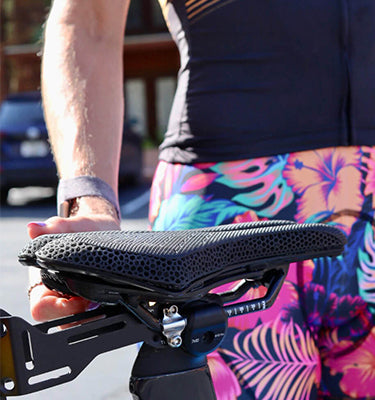
- 3D-printed lattice structures, offering support and airflow patterned after real pressure data
- Multiple width offerings, moving away from “one size fits all”
Women’s needs were, at last, prioritized. Leading brands sought input not just from athletes, but also from female medical professionals and everyday riders, creating models specifically shaped for their anatomy.
The New Standard: Fit, Prevention, and Wellbeing
Today’s best saddles aren’t just more comfortable. They’re engineered as a form of health protection. Here’s what riders now expect from a perineum-friendly seat:
- Pressure relief—through central channels, shorter noses, or even split frameworks.
- Options to match your anatomy—with user-adjustable or multiple width choices.
- Evidence-based materials—like 3D-printed matrices that follow the real contours and pressure zones identified in lab studies.
Some shops now offer pressure-mapping services in-store, helping riders select or configure the perfect saddle based on real data—not guesswork or trend-chasing. Comfort is now treated as the default, not a privilege for elite athletes.
What’s Next? Data, Customization, and Maybe Even Standards
As medical findings continue to drive development, the next major evolutionary leap is already on the horizon:
- Sensor-embedded saddles may soon offer live feedback, warning riders in real time if pressure zones become risky
- 3D manufacturing processes now enable fully custom saddles, tailored to a rider’s unique pressure pattern or even created from a 3D scan
- With occupational cycling gaining attention, there’s growing talk of safety or ergonomic standards—potentially changing what can be sold for workplace or even mainstream use
This direction—anchored in science, wellness, and inclusivity—promises a safer, more enjoyable future on two wheels for everyone.
A Quiet—but Meaningful—Revolution
The story of the perineum-protecting saddle isn’t mostly about marketing. It’s the quiet victory of research and advocacy over stubborn tradition. Next time you’re in the saddle and feeling pain-free, remember: It’s not just good design, but decades of research and medical activism working literally beneath you.
If you’re shopping for a saddle, look for technologies rooted in real pressure mapping and user testing. Ask your bike fitter for a data-driven assessment, or experiment with modern adjustable or customizable designs. Thanks to medical science, the goal of a healthy, pain-free ride is now within reach for every cyclist.