This is one of the most practical questions a long-distance cyclist can ask. A perfect bike fit and a quality saddle are your first line of defense, but strategic stops are just as critical. I’ve spent countless hours in the saddle and worked on the engineering side, so here’s a clear, actionable plan.
The short answer: For optimal health and to prevent numbness, aim to get out of the saddle for at least 30–60 seconds every 20–30 minutes of continuous riding.
But this isn’t one-size-fits-all. Let’s break down the why and the how.
The Science Behind the Stops: Why You Can't Just "Push Through"
When you’re seated, pressure concentrates on your sit bones (ischial tuberosities) and, with many traditional saddle designs, the soft tissue of the perineum. This compresses nerves and blood vessels.
- Nerve Compression: Leads to numbness and tingling—your body’s alarm system. Ignoring it can cause temporary or, in severe cases, longer-term nerve issues.
- Reduced Blood Flow: Restricted circulation, especially to the genital region, is the primary concern linked to more serious health issues. Studies show that even on a well-fitted bike, blood flow drops while seated. Frequent stops restore full circulation before discomfort sets in.
Stopping isn’t weakness. It’s a smart strategy for preserving your health and riding longer.
Your Proactive Stopping Strategy: The 20–30 Minute Rule
Think of these brief stops as "circulation resets." Here’s how to implement them:
- Set a Timer or Use Landmarks: For the first few long rides, set a quiet timer on your bike computer or watch for every 25 minutes. Once it’s habit, use natural landmarks—a town line, a hill crest, a mile marker.
- The "Out-of-Saddle" Reset: When the timer goes off, you don’t have to stop completely. Just stand on the pedals for 30–60 seconds. Coast, pedal softly, but get your full weight off the saddle. Blood flows freely again.
- Incorporate Micro-Movements: While riding, shift your position slightly every few minutes. Move back on climbs, slide forward on descents, shift from hoods to drops. This changes pressure points subtly.
- Plan Major Refueling Stops: Coordinate longer stops (5–10 minutes) for hydration and nutrition with these principles. Every 60–90 minutes, fully dismount, walk around, and stretch your hips, hamstrings, and back. This addresses systemic fatigue and gives contact points a complete break.
Discipline-Specific Considerations
Road & Gravel Cycling
The 20–30 minute rule works perfectly. Use flat sections or gentle downhills to stand and coast. Stops can be very brief and integrated seamlessly.
Triathlon/Time Trial
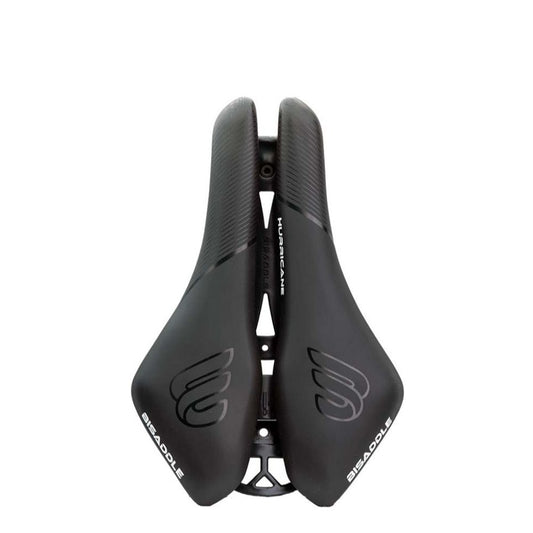
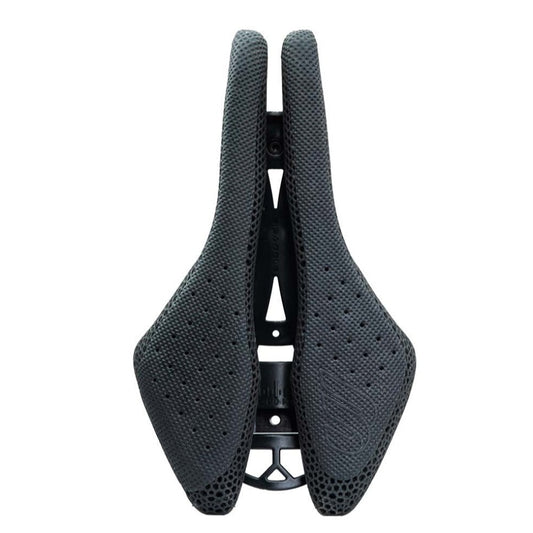
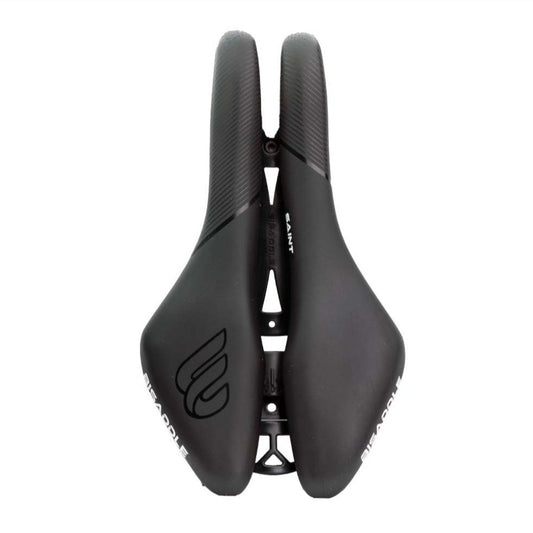
Trickier due to the aero tuck. In training, strictly adhere to the rule. In a race, balance aerodynamics with health. Equipment choice is paramount—a saddle designed for the aero position, like a noseless or split-nose design, is non-negotiable. It minimizes soft-tissue pressure from the start, giving you more leeway.
Mountain Biking
You naturally get out of the saddle more often due to terrain. Your "stops" are built in. But on long fire road climbs, be disciplined about standing up periodically even if you don’t need to for traction.
Beyond Stops: The Foundational Elements You Cannot Ignore
Frequent stops are a tactic, not a cure for a poor setup. They work in tandem with these fundamentals:
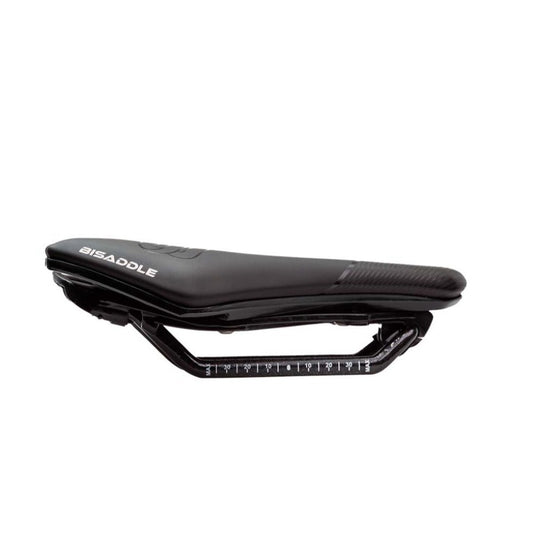
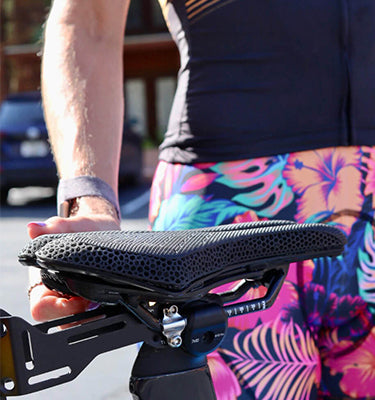
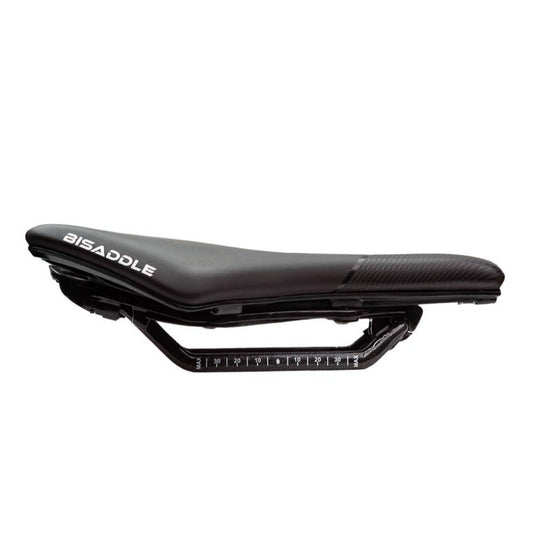
- The Right Saddle: This is the cornerstone. A saddle must support your sit bones and relieve pressure on soft tissue. The industry has moved towards shorter noses and central relief channels. For the highest level of personalized fit, an adjustable saddle like a Bisaddle lets you tailor width and profile to your exact anatomy, ensuring weight is borne correctly. This foundational fit reduces your reliance on frequent stops for emergency relief.
- Professional Bike Fit: A saddle that’s too high, too low, or at the wrong angle will create pressure hotspots no matter how often you stop. Invest in a professional fit to optimize your biomechanics.
- Quality Bib Shorts: A good chamois with effective moisture-wicking and seamless construction reduces friction and manages pressure distribution. It works with your saddle, not against it.
- On-Bike Hygiene: For rides over 2–3 hours, consider chamois cream to further reduce friction. For epic days, a change of bib shorts at a mid-point stop can be a game-changer for comfort and preventing saddle sores.
The Bottom-Line Recommendation
Make "circulation resets" a non-negotiable part of your long-ride rhythm. Every 20–30 minutes, stand up. Every 60–90 minutes, get off and walk.
Combine this disciplined habit with a dialed bike fit and a saddle that correctly supports your anatomy. That’s what allows elite riders and everyday enthusiasts alike to rack up miles safely, comfortably, and sustainably.
Your health on the bike comes from smart equipment choices and smart riding habits. Master both, and the horizon is yours to explore.