Every cyclist knows the search for the perfect saddle can feel endless. But the conversation usually stops at “cushion vs. cut-out,” leaving bigger questions about comfort and health untouched. The story of bike saddles and their role in preventing issues like erectile dysfunction isn't just about foam or fabric—it's a fascinating mix of medical research, engineering advances, and cultural change.
For much of cycling history, saddles were narrow, leather-clad, and copied from horseback gear. Early riders wore saddle discomfort like a badge of honor. It took generations before the link between traditional saddle design and problems like numbness and reduced blood flow was openly discussed. Once those concerns came out of the shadows, the industry—and the conversation—started changing for good.
The Shift: Medicine and Engineering Collaborate
What really pushed saddle design forward wasn’t just sore cyclists complaining—it was mounting medical evidence. In the 1990s and beyond, studies showed that many classic saddle shapes compressed important nerves and arteries, sometimes cutting blood flow by more than 80%. That explained on-ride numbness and linked cycling to higher rates of erectile dysfunction among avid riders.
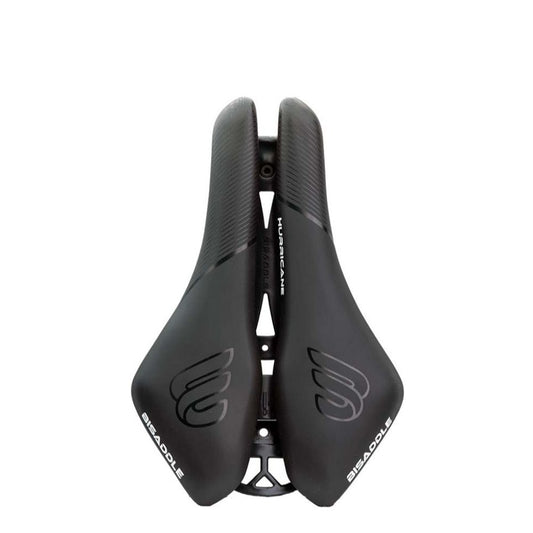
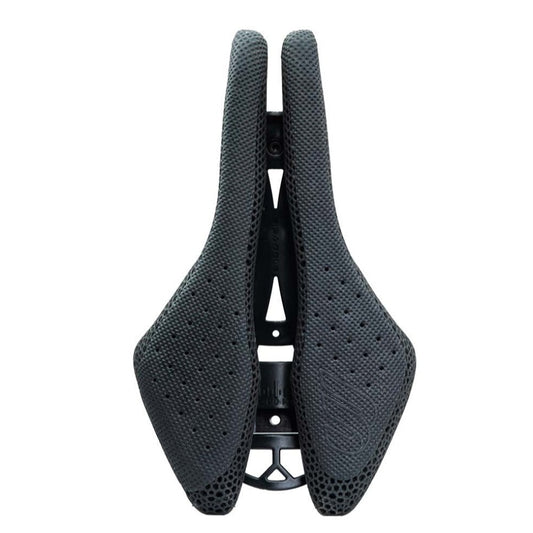
Engineers and doctors teamed up. Brands started pressure mapping, looking for ways to support the sit bones while minimizing contact with sensitive soft tissue. The result? Saddles with wider, flatter backs, generous central cut-outs, and even fully noseless designs—originally pioneered for triathlon and now found in many endurance seats. These options brought real relief to those spending hours on two wheels.
Customization: The Missing Ingredient
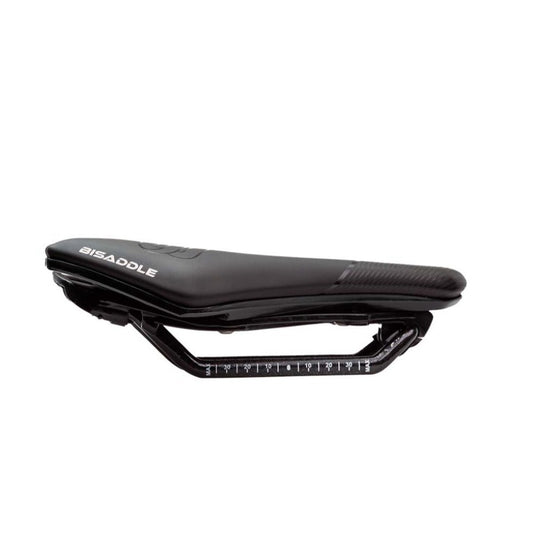
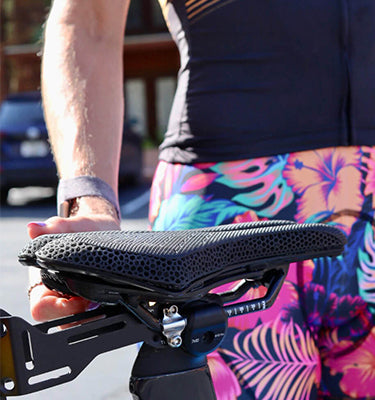
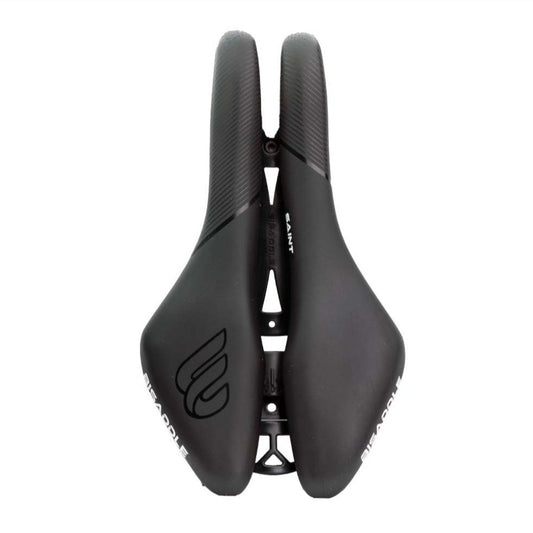
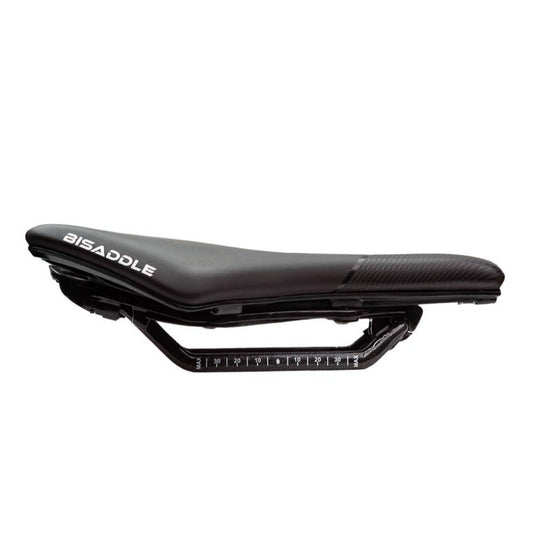
But even the best modern shapes have limits. No two riders are built the same, and a saddle that fits one person’s anatomy might completely miss the mark for another. That led to a new wave of innovation: adjustable saddles. For example, the BiSaddle system lets cyclists change not just tilt or padding, but the actual width and curvature of the seat to dial in a pressure-free, personalized fit.
This user-driven adjustability isn’t just about comfort—it's a direct attack on the root causes of cycling-related health issues. By letting you fine-tune your saddle, you can make sure your weight rests where it should: on the bones and tissue meant to support you, and not on nerves or arteries better left uncompressed.
Looking Ahead: The Smart Saddle Era
The next frontier might surprise you. Imagine a saddle embedded with pressure sensors, ready to alert you—or even actively adjust shape—if you start to favor one side or create too much pressure. Prototype “smart saddles” already exist, and as material science and data feedback become more accessible, tomorrow’s bikes could use real-time measurements to actively protect your health.
- Pressure mapping and medical testing drive the latest saddle tech.
- No single seat fits everyone—adjustability may be the ultimate solution.
- Technology is paving the way for smart, responsive designs.
- Open conversations about men’s health have spurred innovation.
Key Takeaways for Cyclists
- Choose a saddle shaped for your anatomy, not just brand popularity.
- Look for designs that prioritize supporting your sit bones and minimize perineal pressure.
- Consider adjustable saddles for personalized comfort and improved blood flow.
- Pay attention to the latest in smart, pressure-sensitive seat technology—it's coming fast.
Choosing the best bike seat to prevent ED isn't about falling for gadgetry or marketing hype. It's about paying attention to science, understanding your own anatomy, and being open to trying new fits or technologies. As medicine and engineering continue to collaborate—and as open discussion drives better products—the future of cycling comfort looks as promising as ever.